Tag: audiobook

Audible’s New ACX Royalty Model: What Author Experts Need to Do in 2026

Audible officially changed how it pays authors under its new ACX royalty model, and these major 2026 updates have plenty of people upset. Some of that is fair. The new model is harder to see into and being told to opt in or have your title get dropped doesn't feel great.

Here's the practical reality: Audible is roughly 60% of the audiobook market, so if you want your book to reach that audience, this is something to handle, and for most authors it comes down to checking a few boxes in your ACX account.

We don't love everything about how Audible is rolling this out, and we are genuinely glad to see authors earning higher royalties. Both can be true. Here’s what you need to know.

Overview of ACX Changes for Audiobook Rights Holders

Audible is retiring its old ACX royalty model at the end of 2026 and moving every audiobook to a new pooled model. You have one decision to make before year-end: enroll your audiobook in the new model or remove it from Audible. For most authors who use their audiobook to build authority and attract clients, enrolling is the straightforward path. ACX has published step-by-step articles and short videos to walk you through it, linked below.

Key takeaways:

  • Royalty rates rise to 50% (exclusive) and 30% (non-exclusive), but payouts are now pooled and based on listening, not a fixed cut of your price.
  • You must either opt in or pull your title before year-end. There is no option to keep the old terms.
  • There is an additional opt in for a new program titled “All You can Listen” (more on that below)
  • For experts and thought leaders, your audiobook's real value is authority, relationship building, and lead generation, so this matters less to your income than the headlines suggest.

What is Audible Changing with ACX Royalties?

Audible is replacing its long-standing royalty model with a new pooled model, the same direction music and ebooks already took. Instead of earning a fixed percentage of your audiobook's price, you now earn a share of a listening pool. ACX explains the full model here: Audible's New Royalty Model.

When Does the Old Royalty Model End?

The new model opened to all creators on May 26, 2026, and the legacy model will be discontinued by the end of 2026. After that, every title must be on the new model to stay on Audible.

Do I Need to Do Anything?

Yes, if your audiobook is already published and exclusive to Audible. Existing titles are not enrolled automatically. You need to log in to your ACX account and accept the updated terms to move to the new model and the higher rate. If you never accept, you risk losing distribution at the end of 2026, so make the decision deliberately rather than letting the deadline decide for you. (Titles newly claimed and in production now go on the new model automatically.)

If you distribute to Audible non-exclusively through an aggregator like inAudio or Author's Republic, they handle the updated terms for you and you do not need to do anything.

Will I Earn More or Less Under the New Model?

It depends, and no one can promise either way. The royalty percentage went up from 40% to 50% for exclusive distribution, and from 25% to 30% for non-exclusive, but the way you get paid changed underneath it, so a higher rate does not automatically mean more money. However, for nonfiction authors whose audiobook drives credibility, speaking, and client work, the month-to-month royalty swings matter far less than what the book does for the business.

How Does Audible's “Member Value” Payout Work?

Audible takes a listener's monthly plan price (minus taxes and fees), adds the value of any credits they used that month, and divides that across all the titles that person listened to. Your share is then multiplied by your royalty rate. In plain terms: you are paid from a shared pool based on listening, not from a fixed cut of your sticker price. ACX details this in How Royalties Work.

How Do I Earn from the All-You-Can-Listen (AYCL) Program?

AYCL lets subscribers stream your audiobook as part of a monthly plan. You can opt your title in, and you earn a royalty once a listener passes a “Qualified Listen” threshold based on the book's length:

Title lengthQualified Listen threshold
Under 7 minutes75% of run time
7–49 minutes5 minutes
50–299 minutes10% of run time
300+ minutes30 minutes

Two things to know: opting in does not guarantee your title is selected for the program, and even when it is selected, it appears at the start of the following month, not immediately. ACX explains the program here: All-You-Can-Listen Program.

What Are My Other Distribution Options for My Audiobook Besides Audible/ACX?

You have options beyond Audible if you own your audio rights. You can distribute your audiobook through other platforms and retailers, or sell it directly to your own audience. However, that’s a distribution strategy question, separate from the Audible decision in front of you right now. It’s worth exploring, and we are putting together an article for you about  audiobook distribution options. For this decision, focus first on whether you enroll in Audible's new model, or remove your title from that platform.

How Do I Opt in to the New Royalty Model?

ACX has published the official step-by-step instructions and short video walkthroughs. Start here:

What to Do Next?

  1. Decide before the end of 2026: enroll your audiobook in the new royalty model, or remove it from Audible.
  2. To enroll, follow ACX's official steps and short videos in Audible's New Royalty Model and the All-You-Can-Listen opt-in article.
  3. If you want to look beyond Audible later, watch for our upcoming guide on audiobook distribution options.

You have until the end of the year, so there's no need to rush. For most authors, this comes down to logging into ACX and accepting the new terms, and hopefully we'll see the higher royalty rate make an impact. If you'd rather not move to the new model, you can remove your title instead. Either way, the steps and info above will help you make the change.

About Tina Dietz:

Tina Dietz is a vocal leadership expert and the founder of Twin Flames Studios, pioneers in voice-powered publishing. Her team has produced over 500 audiobooks and podcast-to-book projects, including multiple award winners, bestsellers, and titles featured on major media platforms.
Recognized by Forbes, Inc., ABC, and The Chicago Tribune, Tina and her team craft audiobooks that move people and transform podcasts into books that open doors. Their signature VoiceCraft™ and PodCraft™ Methods help experts, entrepreneurs, and thought leaders turn their voices into platforms for visibility, trust, and lasting impact.
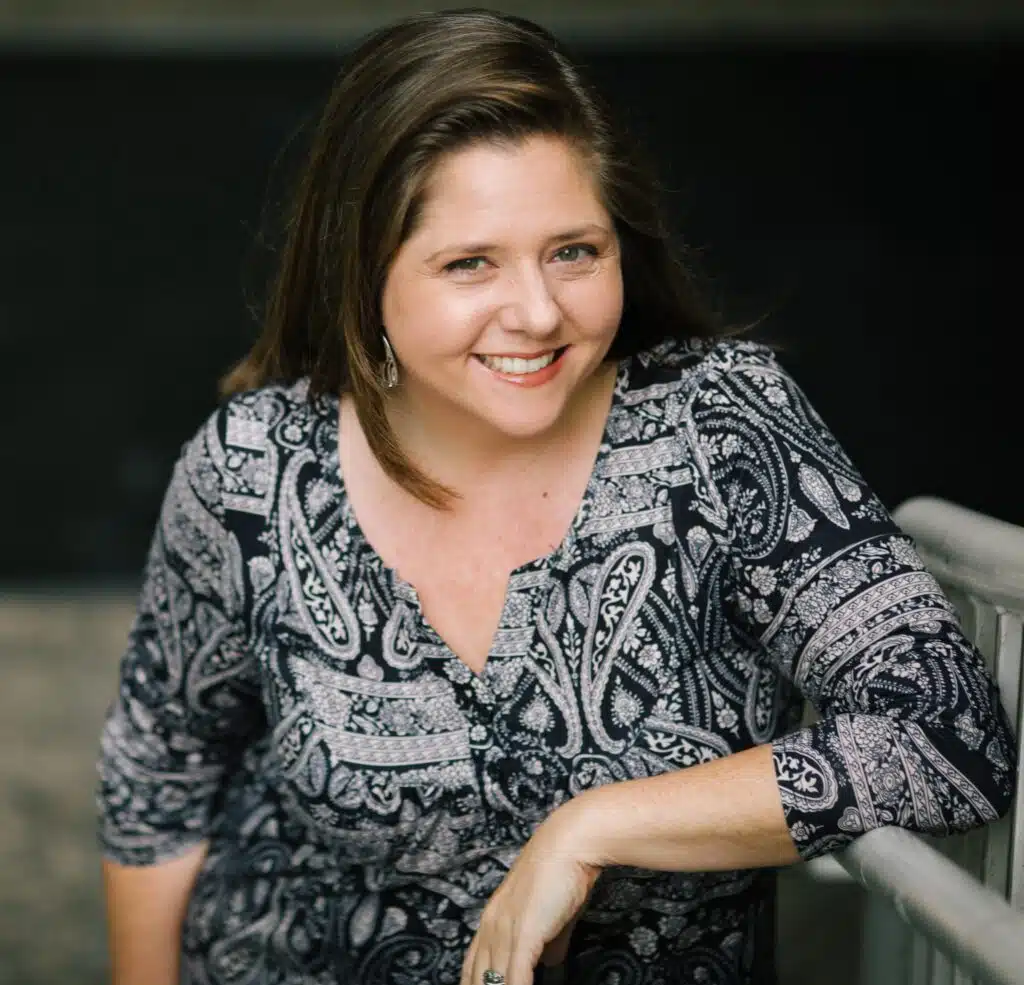
Headshot of Tina Dietz

Using Your Book to Land More Paid Speaking Gigs

If you’ve spent any time in author circles, you’ve probably heard some version of this:

Write a book, get on bigger stages, become the go-to expert. It sounds neat. It's also incomplete.

A book can absolutely help open doors. It tells the world you’ve done the thinking, shaped the ideas, and are willing to stand behind them. But what happens next depends on how clearly you position those ideas, how well you serve an audience, and whether people trust you in the room.

That was the heart of this month’s Twin Flames Studios expert panel, Booked & Paid: Using Your Book to Land More Speaking Gigs. I was joined by Jennifer Brown, Andrea Sampson, and Stephen “Shed” Shedletzky for a conversation about what actually helps authors move from having the book to getting paid to speak.

What Your Book Actually Does for Your Speaking Career

One of the biggest myths in the speaking world is that publishing a book automatically leads to paid speaking. It does not. Plenty of people have books. Far fewer get hired.

What a book can do is prove that your ideas are real, developed, and useful. It gives event organizers and potential clients something concrete to evaluate. It helps them see that your expertise has shape.

Jennifer Brown made that distinction clearly when she reflected on her moment of clarity:

“Giving people something simple to apply leads to keynote opportunities because it is tangible.”

A book that tries to hold everything you know is harder to use in a speaking career. But a book that gives people a practical framework is easier to remember, easier to apply, and much easier to book around.

Turn Your Book Into a Keynote That Gets You Booked

Andrea Sampson named one of the biggest challenges authors face when turning a book into a talk: most are still thinking like writers.

A book can hold nuance with multiple threads, but a keynote cannot. A strong talk needs a through line, one central idea people can actually carry out of the room.

As Andrea put it:

“We need the one sentence, and it has to be one sentence.”

That is where many authors get stuck. Ask for the core idea of the book, and ten minutes later they are still explaining it. Excellent for a manuscript, less excellent for a keynote.

Always remember that distillation is not dumbing it down, it is deciding what matters most.

The Mindset Shift That Separates Paid Speakers from the Rest

One of the most important themes in the conversation was the shift from self-promotion to genuine service. One of my favorite moments came from Shed because it cut right through the performance trap that catches so many speakers.

“I don’t view my job as I’m here to tell you about my book. I view my job as I’m here to serve you.”

That shift changes everything.

Paid speaking is much more than finding a room where you can present your ideas. Understanding what that audience needs and shaping your content accordingly is key. And always deliver in a way that makes the organizer glad they brought you in.

That means doing the pre-work. Ask the questions, learn the context, and show up with a point of view, but do not dominate the conversation with vignettes.

Jennifer added an important complement to that idea. A personal story gets people leaning in and helps to build trust, but it does not stand on its own. A model or framework is what helps them remember you and use what you’ve taught. You need both.

Getting Paid Speaking Gigs Is Still a Relationship Game

Despite my best efforts, there is no magic formula. 

What came through clearly in this conversation is that getting booked is still deeply relational. Andrea talked about community and consistency. Jennifer talked about putting herself in rooms where her future clients already were. Shed talked about the simple but often overlooked reality that being pleasant, responsive, and easy to work with matters.

Jennifer put it plainly:

“This is a trust game.”

That trust builds over time. Through your ideas, professionalism, and the way you handle a room. Through whether people leave thinking, “Yes, this person delivered.”

A speaking career is not built on one good talk. It is built on repeated evidence.

How to Set and Raise Your Speaking Fees

At some point, if you want paid speaking, you need to name a fee.

Jennifer’s advice was simple: ask, and increase your rate over time. Don’t stay too long at one level. Andrea added that compensation isn’t always just the keynote fee. Sometimes the value shows up in a workshop, consulting work, or a book buy.

Shed offered an important nuance. Speaking for free isn’t inherently a mistake, as long as there’s a clear return. Experience, exposure, video, or access to the right room can all be valuable.

Speaking for free without a strategy is the mistake. Speaking for free with intention is just smart business.

Key Takeaways: Using Your Book to Land More Paid Speaking Gigs

If you want to use your book to land more speaking gigs, here are the key takeaways from this month’s panel:

  • Your book builds credibility, but it does not book the gig for you.
  • A strong keynote needs one clear core idea, not your entire table of contents.
  • Story builds connection; frameworks build authority.
  • Getting booked depends as much on trust and relationships as it does on talent.
  • If you want to be paid, you need to ask clearly and treat it like a real business.
  • Free speaking can still serve your growth, but only when there is a clear reason for it.

Each month, we bring together leaders from across the publishing ecosystem to give authors, speakers, and experts real insight into what works in today's book and visibility landscape.

Want to break out of the one-size-fits-all logic and cultivate a book launch that aligns with your goals, your vision, and your spark?

Join our next live panel – Launch Strategies That Fit You

Reserve your spot here!

About Tina Dietz:

Tina Dietz is a vocal leadership expert and the founder of Twin Flames Studios, pioneers in voice-powered publishing. Her team has produced over 500 audiobooks and podcast-to-book projects, including multiple award winners, bestsellers, and titles featured on major media platforms.
Recognized by Forbes, Inc., ABC, and The Chicago Tribune, Tina and her team craft audiobooks that move people and transform podcasts into books that open doors. Their signature VoiceCraft™ and PodCraft™ Methods help experts, entrepreneurs, and thought leaders turn their voices into platforms for visibility, trust, and lasting impact.

Building Trust And Business With Audiobooks

The Strategic Asset That Builds Trust in Your Voice

Audiobooks have moved well beyond “bonus format” territory.

For authors, consultants, speakers, and experts building authority-based businesses, audio has become one of the most powerful tools for deepening trust and expanding influence.

In our February Twin Flames Studios Expert Panel, Authority Audio: Building Trust and Business with Audiobooks, we explored what authors actually need to understand in order to use audio strategically.

  • How do audiobooks strengthen your brand and business?
  • How do you turn one into a long-term authority asset?
  • What creates meaningful return beyond retail sales?

I was joined by the incredible Jared Kuritz and Emily Pike Stewart for this conversation. Together, we unpacked how successful authors are using audio right now to build credibility, expand visibility, and create sustainable growth.

Here’s what surfaced.

Trust Accelerates in Audio

“As an author, you are granted the rare privilege of becoming a voice in someone’s head, rent-free, I might add. This makes audiobooks one of the strongest trust signals available to anyone today.” 

It’s simple positioning.

Emily Pike Stewart expanded on why that proximity matters:

“You really are kind of in this one-on-one relationship. You feel like you’re building an actual relationship with them as they are human-to-human explaining this concept.”

A listener is not scanning. They are spending sustained time with your voice. Tone, pacing, breath, and steadiness all shape how your authority is perceived.

Jared Kuritz captured the business mechanics behind that intimacy:

“Unlike having to open a book or turn on an e-reader, you’re able to consume an audiobook doing a lot of different things. There isn’t this guilt factor of ‘I’m taking time to read.’ You’re listening while getting other things done.”

Low friction makes entry easy. Intimacy deepens connection.

That combination builds trust at speed.

Audio Expands Access and Emotional Connection

Audiobooks extend your work into places print cannot reach.

Jared Kuritz named a truth many authors quietly know:

“Reading, literally reading words off a page, is a hurdle for a good percentage of people. There are a lot of people that love books, but they don’t love the actual act of reading.” 

Audio removes that barrier.

“We’re so deeply tuned to voice… We all know when something is off, or weird, or inauthentic, even if we can’t say why.” 

Voice carries neurological weight. It communicates credibility and alignment in ways that text alone cannot.

Emily Pike Stewart then offered one of the most resonant lines of the panel:

“We all have a favorite teacher, not a favorite textbook.” 

Authority is relational. Audio strengthens that relationship through the human cues embedded in voice.

From Project to Asset

A central theme of the conversation was shifting from “audiobook as product” to “audiobook as business asset.”

Retail revenue is one dimension. Authority-building authors often use audio to create leverage.

Jared offered a concrete example:

“If you have my author on for an interview, we’ll give a thousand copies away of the audiobook. That costs you nothing! You’re getting access to their audience, which is exactly what you want.” 

Access creates opportunity.

I reinforced this idea from a strategic standpoint:

“Many authors and experts reach a turning point where they stop treating audio as a single project and start using it as part of an ongoing relationship with their audience. And that shift changes your work as it is experienced and how long it continues to create value.” 

That shift is significant.

When audio becomes part of your ecosystem, it supports speaking invitations, partnership development, media exposure, and long-term brand reinforcement.

Audio functions as an entry point!

Listeners frequently begin with audio and move into other formats. Audio extends the lifecycle of your ideas.

Production Quality and Authority

We addressed the reality of AI narration and shortcuts in production.

Emily Pike Stewart spoke candidly:

“If this entire conversation is about building authority and trust with an audience, it’s like cutting yourself off at the knees to try to do that with AI. It doesn’t work. AI is not a way to connect with people.” 

Authority depends on connection. Voice carries lived experience, nuance, and subtlety.

I also noted earlier in the conversation:

“We can answer every production question in the world, but what’s the point if you don’t know why you’re producing an audiobook, what it’s possible to do for you?”

Production supports strategy. Strategy determines value.

At the same time, Emily offered grounding reassurance:

“If you have the technical stuff keyed in to where it’s good enough, you don’t need to get intimidated by the idea that it has to be absolutely perfect. What people are actually looking for is that connection.” 

Professional quality supports credibility, but only human resonance sustains it.

Let's Recap

Here are the key takeaways from Authority Audio:

  1. Audiobooks accelerate trust. Sustained one-on-one listening builds familiarity and credibility.
  2. Audio reduces friction and increases intimacy. It integrates seamlessly into daily life.
  3. Voice carries authority. Listeners instinctively evaluate authenticity, tone, and alignment.
  4. Define your capture value before production. Clarify how the audiobook will serve your broader business model.
  5. Leverage audio strategically. Giveaways, customized versions, clips, and partnerships extend impact.
  6. Treat audio as an ongoing relationship. Long-term authority grows when audio becomes part of your ecosystem.

Audiobooks create proximity. Proximity builds trust. Trust builds opportunity.

Each month, we bring together leaders from across the publishing ecosystem to give authors, speakers, and experts real insight into what works in today's book and visibility landscape.
Join our next live panel – Booked & Paid: Using Your Book to Land More Speaking Gigs

Reserve your spot here!

About Tina Dietz:

Tina Dietz is a vocal leadership expert and the founder of Twin Flames Studios, pioneers in voice-powered publishing. Her team has produced over 500 audiobooks and podcast-to-book projects, including multiple award winners, bestsellers, and titles featured on major media platforms.
Recognized by Forbes, Inc., ABC, and The Chicago Tribune, Tina and her team craft audiobooks that move people and transform podcasts into books that open doors. Their signature VoiceCraft™ and PodCraft™ Methods help experts, entrepreneurs, and thought leaders turn their voices into platforms for visibility, trust, and lasting impact.

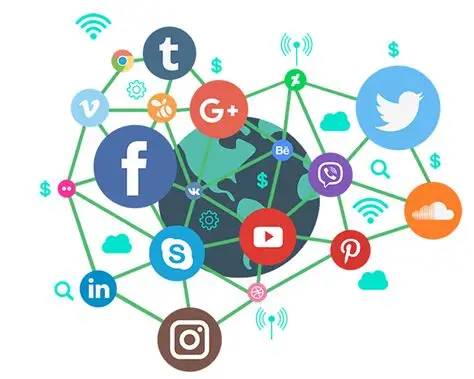
Social Media Marketing for Authors: The Survival Guide

The tragic fact is: sometimes cat videos get more attention on social media than books do.

No matter how brilliant your thought leadership may be, it’s maddening to see a TikTok dance go viral while your heartfelt and expert content fizzles into the algorithm’s black hole.

I see this frustration all the time from authors.

You want to share your message and build your brand, but social media often feels like a second full-time job.

With the right strategy, it doesn’t have to. 

In July’s expert panel, we tackled the burning questions authors have about social media marketing: What’s actually working now? What can you finally stop doing? Where does it make sense to invest your limited time and energy?

Here’s what our panel of seasoned marketers: Becky Robinson, Josh Schwartz, and Ken Course had to say.

The First Thing to Do? Stop Doing So Much

Let’s start with what to ditch.

All three panelists had strong opinions here and you can also watch the whole conversation on demand.

“The number one thing I see authors doing wrong is trying to make content that feels like other kinds of content, like trying to make social media feel like writing a book or filming a TV show.”
-Josh Schwartz

Instead, Josh recommended a healthy dose of immersion. Spend time with creators whose audience and brand are similar to yours. “Read the room,” as they say, and notice what’s actually working. Short, punchy video content with clear hooks, snackable captions, and a real sense of personality go a long way.

Becky Robinson echoed this theme of simplicity:

“Stop thinking you have to be on every single platform. Pick one that brings you joy, where you’ll actually show up consistently.”
-Becky Robinson

She usually recommends LinkedIn as a starting place for business nonfiction authors, but the real key is consistency. If you try to do everything, you’ll burn out and end up doing nothing.

And let’s talk about AI-generated posts. Ken Course didn’t mince words:

“Stop trying to shortcut it with AI content. Your audience can almost immediately identify it, and once they do, their trust drops.”
-Ken Course

That doesn’t mean AI is off-limits (more on that in a second).

But if you’re copy-pasting ChatGPT content into your feeds, stop doing that immediately.


Trends That Actually Matter (And What You Can Ignore)

We asked about what’s working right now on social media and the consensus was loud and clear: short-form video reigns supreme.

“Short-form video accounts for nearly 90% of all traffic being driven right now. If you’re not doing it, you’re missing out.”
-Ken Course

Now before you panic and run out to buy a ring light, take a breath.

You don’t need to be an on-camera natural. Ken shared that some of the most successful formats are interview-style videos and even reaction videos. If you’re a podcast host or have been interviewed before, you probably already have content that can be repurposed into clips.

And Josh reminded us that quality trumps quantity. 

“You should post content as often as you want to. If you like posting once or twice a week, don’t feel like you need to post once or twice a day.”
 -Josh Schwartz


Don’t Just “Post and Pray.” Build Real Relationships

Here’s the thing. Even when your content does well, that doesn’t always translate into book sales. So how do you turn attention into connection?

Becky offered a coffee shop analogy:

“Social media is like bumping into someone at a café. But your goal is to invite them back to your house, which is your email list.”
-Becky Robinson

Your email list remains the most reliable, algorithm-proof way to build real relationships. Every piece of content you create should include a way for people to take a next step, whether that’s a lead magnet, free resource, or an event invitation.

Ken also reminded us that social media doesn’t have to mean public posts. Thoughtful direct messages, not spammy LinkedIn pitches, can go a long way in nurturing your audience one person at a time.


Let’s Recap: 6 Things Every Author Needs to Know About Social Media

  1. Pick one platform and master it. LinkedIn is a great default for nonfiction, but go for a platform that is a combination of where you’ll actually show up plus where your readers are.
  2. Ditch the AI auto-posting. Use AI for planning, not copy-paste content. Summarize transcripts, generate outlines, identify themes, yes. But edit it into your own voice.
  3. Video is king. Start with interview-style clips or repurpose past podcast episodes. You don’t need to be flashy, just real.
  4. Don’t try to be a content machine. A few high-quality posts with strategy beat daily fluff. Think cadence over chaos.
  5. Drive people to your email list. Use lead magnets, events, and opt-ins to create relationships that you own, not the platforms.
  6. Paid ads can extend your reach. Start small ($1/day!) to promote content that’s already working. Facebook and Instagram are solid places to begin.

The Bottom Line: Social Media Is a Tool, Not a Requirement

One of the most refreshing reminders from this month’s panel?

You don’t have to be on social media at all, especially if it’s not aligned with your strategy, values, or bandwidth.

But if you are going to do it, make it count.

Don’t try to be everything to everyone. Speak to your audience with the same clarity and depth you bring to your book, just in itty bitty bites so they want more.


📅 Ready for more author-tested strategies like this?

Join us for our next expert panel on book editing and how it can make or break your manuscript. It’s free, practical, and packed with insights in real time. Bring your questions for our experts, we're excited to see what you bring to the table.

What most surprised you, or what do you still want to know? Ask your questions below!

About Tina Dietz:

Tina Dietz is an award-winning and internationally acclaimed speaker, audiobook publisher, podcast producer, and vocal leadership expert whose work and shows have been featured on media outlets including ABC, NBC, CBS, The Wall Street Journal and Chicago Tribune, Inc.com, and Forbes. She’s been named one of the top podcasters for entrepreneurs by INC.com, and Tina’s company, Twin Flames Studios, re-imagines thought leadership through podcasting and audiobooks for experts, executives, and founders.

Crowdfunding vs. Sponsorship: Which Fuel Ignites Your Author Journey?

The world of book funding is expanding fast.

While traditional publishing still plays a role, today’s nonfiction authors are building thriving book campaigns through strategic sponsorships and well-executed crowdfunding.

For many authors, that means navigating entirely new territory. 

These strategies aren’t just about raising money. They’re about building relationships, growing your platform, and validating your message before the book even hits the shelf.

That’s why our most recent Twin Flames Studios expert panel tackled this topic head-on. I was joined by Charmaine Hammond and Victoria Bennett, two industry leaders with deep experience helping authors and creators turn ideas into funded realities.

Here’s what we uncovered, and what it means for your next project.

What's the Difference Between Sponsorship and Crowdfunding?

These two strategies often get lumped together, but they couldn’t be more different in how they function and how you use them.

  • Sponsorship is a marketing relationship where a brand supports your project in exchange for visibility, access to your audience, or strategic alignment.
    “A sponsor is contributing because they want access to your audience, or there's an aligned vision, or a synergy that exists.” – Charmaine Hammond
  • Crowdfunding involves asking your audience to financially support your book in exchange for early access or rewards.
    “It’s so much more than the money. It’s proof of concept, a way to energize your community, and a marketing campaign all in one.” – Victoria Bennett

They’re both powerful – but the key is knowing which one supports the goals of your specific book.

When Should You Use Each One?

If you’re launching a book tour, want to secure bulk buys, or need additional support services, sponsorship can be a powerful accelerator.

Charmaine shared the story of how her Million Acts of Kindness tour landed over 40 sponsors – including hotels, telecoms, and even her dog’s food.

“The first 40 sponsors were people I knew: my hairstylist, my eye doctor. People said, ‘How can I get involved?’”

On the other hand, crowdfunding is often best when you need upfront capital to pay for publishing, design, or marketing expenses and to gauge interest from your core audience.

“Data is king, but clarity is queen,” Victoria reminded us.

Before you even think about launching, you need to know:

Why this book? Why now? Who's going to care?

Do's and Don'ts of Getting Funded

What to Do:

Start small and close.
“Begin with 25–50 people you know personally. Warm them up first and ask them to be your foundation.” – Victoria Bennett

Pitch partnership, not pity.
“Sponsorship is not charity. You’re offering value, visibility, and a meaningful relationship.” – Charmaine Hammond

Create clear, meaningful reward tiers.
“Keep crowdfunding rewards simple. 4 to 7 levels is ideal. And skip the T-shirts, they kill your margins.” – Victoria Bennett

Build real ROI for sponsors.
“Think beyond logos. Some sponsors want a warm intro more than anything else.” – Charmaine Hammond

What to Avoid:

Cold pitching.
“Build relationships first, then present a proposal.  – Charmaine Hammond


Launching without prep.
“Give yourself 90 days of prep. Most failed crowdfunding campaigns skip this step and pay the price.” – Victoria Bennett

Overcomplicating your ask.
Clarity in both sponsorship and crowdfunding builds trust. Confusion kills momentum.

Turning Support Into Real Growth

Raising money is just the first step. Whether your backers are individuals or brands, what matters most is how you turn those connections into long-term support.

That means:

  • Having a clear next step
  • Making it easy for people to stay engaged
  • Repurposing your campaign content into long-term marketing

Victoria reminded us that clarity and planning are everything:

“Make sure it’s personal, warm everybody up. Success breeds success.”

And Charmaine summed it up beautifully:

“It’s a relationship, and it’s an opportunity to tell your story. When you build those things together, you are already in motion.”

Tools to Get You Started

If you’re ready to explore funding options, start here:

  • Kickstarter / Indiegogo – Crowdfunding platforms with built-in visibility
  • Hatchfund – Ideal for creative or mission-driven work
  • Canva – For creating visuals and mockups
  • Google Docs + Airtable – To organize outreach, reward tiers, and communication
  • LinkedIn – For sponsor prospecting and warm intros

Also, check out our Author Resource Directory to connect with vetted experts who can help you build your campaign and your brand.


The bottom line? Both crowdfunding and sponsorship can work – when you approach them with intention.

Know your goals. Lead with value. Build relationships that last longer than a single campaign.

And remember: your book isn’t just a product. It’s a platform. When you fund it with clarity and connection, you’re not just publishing – you’re building a movement.

Join us for the next expert panel here and catch the full replay of our Crowdfunding & Sponsorship event: https://twinflamesstudios.com/panels

What most surprised you, or what do you still want to know? Let us know your thoughts below!

About Tina Dietz:

Tina Dietz is an award-winning and internationally acclaimed speaker, audiobook publisher, podcast producer, and vocal leadership expert whose work and shows have been featured on media outlets including ABC, NBC, CBS, The Wall Street Journal and Chicago Tribune, Inc.com, and Forbes. She’s been named one of the top podcasters for entrepreneurs by INC.com, and Tina’s company, Twin Flames Studios, re-imagines thought leadership through podcasting and audiobooks for experts, executives, and founders.

ROI With Podcasting and Publishing

What works… and how to define success on your own terms.

ROI is not one-size-fits-all, and it involves more than downloads or book sales (though those are an important piece of the puzzle).

Rather, we find it more useful to explore the dance between podcasting and publishing—and how these two platforms work together to create long-term results that last.

That’s the conversation we had during this month’s Twin Flames Studios Expert Panel, where I hosted three wonderful multi-medium experts: Traci DeForge, Michelle Fishering, and Alex Sanfilippo.

Together, we shed some light on how to combine your efforts to create flow, ease, visibility, speaking opportunities, and success that endures.

Your Podcast Will Write Your Book (When You’re Ready)

Books and podcasts complement each other perfectly.

Even worse, missing the connection between these two foundational pieces of content is a fast path to burnout and missed opportunities.

Traci DeForge laid it out clearly as a guest on a recent expert panel: your podcast should feed your book.

  • Each one of your episodes gives you an opportunity to test and explore key concepts for your outline and writing process
  • Your audience will give you feedback in real time
  • When your book is ready (or if it’s already available), your first chapter will become an important lead magnet

“I can see no reason to separate them and probably a million reasons to connect them.”  –  Traci DeForge

This kind of cross-pollination and cross-promotion is what builds real momentum with FAR less work.

Michelle Fishering echoed the value of dual-purpose platforms:

“Podcasting and books are the foundation of your relational ecosystem. It can grow exponentially when you put the two together, whether it’s the podcast feeding the book creation or the book driving people to the podcast.”

And when you’re not sure what your book should cover?

Let your interviews guide you.

“These two things go together really well when it comes to fleshing out ideas.”  –  Alex Sanfilippo

Looking Beyond the Downloads

Downloads, subscribers, and book sales matter. But they don’t tell the whole story.

Predicting and understanding your results comes from a variety of different sources when combining your book and podcast into a unified strategy.

Alex recommended looking at completion rates – did they finish the episode? If not, your message may not be landing.

“Ask yourself: Am I telling stories that people want to hear? Is it resonating with them?”  –  Alex Sanfilippo

Traci added that intimacy beats vanity:

“A very small but highly engaged audience can actually turn into more conversations in some cases than the larger audiences.”

And Michelle reminded us that success should be custom-fit:

“I cannot tell you the number of clients I've sat down with, and we've taken their end goal, and we create metrics that make sense for them.”

Whether your goal is for your book or podcast to get you speaking gigs, grow your email list, or drive partnership referrals – then those are the critical ROI numbers to watch.

How to Move the Needle (Without Turning Into a Promo Machine)

Want your content to convert? 

Keep it simple. 

Don’t list every offer or jam your URL into every sentence.

“You want to make sure that your URL, for example, is very clear. Don't make one that's completely different from how audiences already know you.”  –  Traci DeForge

Alex shared a fresh example:

“I've more recently seen some authors doing miniature quizzes to determine if the book is a good read for you. Follow that up with next steps and resources.”

 When you’re feeling awkward promoting your book or services in a podcast interview, this approach keeps it audience-first and makes conversion natural.

Your Content is Always Working

Nothing you create should ever be one-and-done.

Michelle put it beautifully:

“A podcast is a conversation – essentially what a good book is as well. I want to be able to go back and consume that material in a different format, but with rigor and intensity.”

That’s the power of a well-designed podcast episode, book, or audiobook: it sticks. It invites replays and re-reads. It earns attention over time.

Our advice?

Repurpose everything. 

Turn interviews into articles, chapters into reels, or transcripts into social posts. 

Respect the time you’ve already invested – your audience will, too.

One Brilliant Tip for Post-Launch ROI

“Your book should be part of a three-legged strategy: hosting, guesting, and targeted podcast ads. That way, you tap into audiences that mirror the ones you’re targeting.”  –  Traci DeForge

When you treat your book like a media asset rather than just a product, it works a lot harder for you.

Let's Recap

  To create direct ROI from your podcast and book content, here’s where to focus:

  • Podcast your book into existence (test ideas, get feedback, and build an audience)
  • Use interviews to drive action (with one clear call to action)
  • Track engagement (and be mindful about what drives it)
  • Let both platforms do the work (your book feeds your podcast, your podcast sells your book)
  • Repurpose everything (use what you already have and build from there)

You don’t need to do more. 

You just need to stay consistent, connected, and let your content work for you.

Want in On Our Next Expert Panel?

Join our monthly series where we talk real-world publishing, visibility strategy, and the business of authorship – no fluff, just what’s working now. Reserve your spot here.

Final Thoughts

Your podcast and book aren't separate projects. They're two sides of the same strategy.

Forget chasing downloads or rankings. 

Focus on what moves the needle both short and long-term:connection.

You've already created something meaningful. Let's make sure it gets the attention it deserves.

What most surprised you, or what do you still want to know? Let us know your thoughts below!

About Tina Dietz:

Tina Dietz is an award-winning and internationally acclaimed speaker, audiobook publisher, podcast producer, and vocal leadership expert whose work and shows have been featured on media outlets including ABC, NBC, CBS, The Wall Street Journal and Chicago Tribune, Inc.com, and Forbes. She’s been named one of the top podcasters for entrepreneurs by INC.com, and Tina’s company, Twin Flames Studios, re-imagines thought leadership through podcasting and audiobooks for experts, executives, and founders.

Book Bestseller Status is Broken

Here's what authors should focus on instead.

You launched the book. You got the badge. You celebrated.
Then… nothing happened.

In 2025, “bestseller” doesn’t mean what it used to—and for most authors using their book to build a brand or business, chasing that badge might be the wrong goal entirely.

That’s the conversation we had during this month’s Twin Flames Studios Expert Panel, where I hosted three brilliant voices in modern publishing: Jenn T. Grace, Melanie Herschorn, and Robbie Samuels.

What we uncovered was part myth-busting, part strategy reset—and 100% necessary if you want your book to keep working for you after launch day.

The Bestseller Badge: Still Useful? Or Past its Prime?

Let’s get real: authors still want that badge. It feels good. It looks impressive. But the real question is—what does it actually do?

“It’s a confidence boost, not a marketing plan.”
— Melanie Herschorn

Getting the title of “bestselling author” can create credibility, especially with audiences who don’t know how the sausage is made. But as Jenn T. Grace reminded us:

“The average person doesn't know an author. So, when they meet one, and that person is a bestseller, they don’t know how it came to be.”
— Jenn T. Grace

There’s no shame in leveraging the title—but it shouldn’t be the only strategy you rely on.

“Bestsellers should be the byproduct of a strategically done launch.”
— Robbie Samuels

What Authors Should Focus on Instead

If you’re a coach, consultant, or expert using a book to grow your platform, our panel agreed on this: you need a strategy that creates long-term visibility—not just a short-term spike.

1. Build Your Email List

Your email list is your most powerful tool—and the only platform you truly own.

“You have full control over your mailing lists. They're safe, trackable, and you can do all kinds of sophisticated things with them down the road.”
— Jenn T. Grace

Jenn shared how she built a two-year nurture sequence for readers who download book bonuses—proving that list growth is a long game, not just a launch-week task.

2. Prioritize Reviews Over Rankings

Amazon’s bestseller ribbon can vanish within hours. But verified reviews stay, build trust, and drive sales.

“Reviews are social proof that stick. They influence buyers, podcasters, and event organizers.”
— Robbie Samuels

Focus on activating your audience to leave honest, verified reviews—especially during your soft launch or relaunch window.

3. Think Like a Platform, Not a Campaign

Your book isn’t a one-time event. It’s part of a larger visibility ecosystem.

“If you don’t have a marketing plan that already works, your book is like a rocket ship taking off and falling into the ocean.”
— Melanie Herschorn

Create momentum that goes beyond the launch—opt-ins, evergreen content, speaking outreach, even second-edition or audiobook relaunches.

Where Bestseller Still Belongs

 Bestseller status isn’t useless. But it should be one part of a bigger visibility strategy, not the whole goal.

“You can hit number one in some obscure category at 2am, but that doesn’t mean your book will do anything for your business.”
— Robbie Samuels

Use it as a credibility tool—but only when it's supported by real outcomes like engagement, email list growth, or speaking leads.

Use Awards as an Authority Multiplier

 If you want recognition that cuts through the noise, strategic awards may have more impact than a fleeting badge.

“If four of us wrote the same book, and one of us had ‘award-winning’ on the cover… that’s the one that would stand out.”
— Jenn T. Grace

Choose awards judged by real people. Look at past winners. Submit strategically—and use any recognition as a long-term brand asset.

Your Book Still Has a Job to Do

One of my favorite moments in the conversation was this:

“Your book doesn’t fall off a cliff. As long as it’s an evergreen topic, you can keep marketing it—even if it was written three years ago.”
— Melanie Herschorn

We see this all the time with our clients at Twin Flames Studios—especially those launching audiobooks years after their initial print release. With the right strategy, older books often perform better the second time around.

Let's Recap: What Actually Works in 2025

 If you’re serious about using your book to grow your business, here’s where to focus:

  • Email list growth (and an automation plan behind it)
  • Verified reviews (collected during a soft launch or relaunch)
  • Speaking engagements (with a clear positioning and pitch)
  • Awards and recognition (strategically chosen and submitted)
  • Audiobook relaunches (as a second chance to make a first impression)

You don’t need to be perfect. You just need a real plan that keeps working long after your book goes live.

Want in On Our Next Expert Panel?

Join our monthly series where we talk real-world publishing, visibility strategy, and the business of authorship—no fluff, just what’s working now. Reserve your spot here.

Final Thoughts

Your book is more than content. It’s a catalyst.

Whether you’re launching your first or relaunching your fifth, don’t just chase bestseller status.
Build a system that turns your book into long-term visibility, relationships, and results.

Your message matters. Let’s make sure people hear it.

What most surprised you, or what do you still want to know? Let us know your thoughts below!

About Tina Dietz:

Tina Dietz is an award-winning and internationally acclaimed speaker, audiobook publisher, podcast producer, and vocal leadership expert whose work and shows have been featured on media outlets including ABC, NBC, CBS, The Wall Street Journal and Chicago Tribune, Inc.com, and Forbes. She’s been named one of the top podcasters for entrepreneurs by INC.com, and Tina’s company, Twin Flames Studios, re-imagines thought leadership through podcasting and audiobooks for experts, executives, and founders.

How AI is Changing the Publishing Industry

The robots are coming…

And the publishing industry is welcoming them.

With its dramatic development over the past two years, artificial intelligence (AI) is reshaping everything from writing and editing to marketing and intellectual property rights.

As authors and experts, you are the ones who will decide whether AI is a replacement to be feared or a tool to be mastered.

One thing is for sure though: AI is not a far-off fantasy. 

That’s why I recently hosted some of the leading experts with experience in both authoring and publishing technologies: Thad Mcllroy, Elizabeth Ann West, and Jason Hamilton to discuss AI’s role in publishing and how you should navigate this important industry transformation.

The Current Landscape: Where Are We With AI in Publishing?

Is AI a  disruptive innovation or a passing fad?

As Thad McIlroy, publishing analyst and author of The AI Revolution in Book Publishing, put it: “They're still asleep at the wheel, and the car is moving very rapidly down the freeway.”

While some major publishers remain skeptical, independent authors and small presses are already leveraging AI to increase productivity and expand creative possibilities. 

For example, our live poll during the live panel showed an even split between attendees actively using AI and those still exploring. 

The Big Five Ways AI Is Disrupting the Publishing Industry

Writing and Creative Process

Elizabeth Ann West, bestselling author and founder of Future Fiction Academy, emphasized that “AI's biggest threat is not to publishers—but to authors who ignore it.”

 “Society needs authors using AI, not publishers,” she said. “With the right fine-tuning and prompting, AI can now generate publishable fiction that “makes you laugh, makes you cry.”

Jason Hamilton, author and founder of The Nerdy Novelist, encouraged creators to think bigger: “This isn’t about how to publish more books. Everybody can do that now. It’s about how we can do things that were never possible before.”

Editing and Productivity

If you need a burden lifted off your shoulders, AI is a useful tool to decrease stress and enhance workflow. 

By using fine-tuning, you can draft entire scenes or chapters, suggest structural edits, or mimic your own writing style with surprising accuracy.

Marketing and Book Descriptions

If marketing seems like the bane of your existence, you’re not alone. 

AI  is changing that.

Hamilton shared his method for generating high-quality book descriptions: “Find a top indie in your genre, break down their blurb sentence-by-sentence with AI, then build a template. Feed in your synopsis, and you're already in the top 10%.”

Legal & Ethical Considerations

There’s still a lot of confusion and concern about copyright. However, it’s helpful to note that risks are more about misinformation than infringement.

West broke it down: “You can't copyright AI-generated words—but you can copyright the selection and arrangement.” 

Think of it like fanfiction, where the author’s original additions are protected.

Thad McIlroy added, “The Copyright Office is misinterpreting the technology. What they're declaring is not realistic in this particular age of AI generation.”

Industry Dynamics and Market Saturation

AI is resulting in thousands of new books being published, but is the quality there yet?

AI is only as valuable as the person controlling it. Authors with a distinctive voice, a personal brand, and a strategy will prevail over the “AI slop” every time.

And if you’re a fan of niche genres, you’re in luck! If new technologies halve a book’s creation time, serving a smaller audience will be worth the hassle.

What Most Authors Miss

 AI shouldn’t be treated like a magic button.

Don’t fall into that trap.

Instead, West emphasizes integrity and diligence: “You want a tool that gives you control, not one that does it for you.”

How to Start Using AI (the Smart Way)

And above all: practice. The future of publishing is powered by AI. 

Success won't come from blind adoption or rejection. It will come from authors who are willing to learn, adapt, and keep their creative integrity front and center.

I can’t wait to see what you create next!

What most surprised you, or what do you still want to know? Let us know your thoughts below!

About Tina Dietz:

Tina Dietz is an award-winning and internationally acclaimed speaker, audiobook publisher, podcast producer, and vocal leadership expert whose work and shows have been featured on media outlets including ABC, NBC, CBS, The Wall Street Journal and Chicago Tribune, Inc.com, and Forbes. She’s been named one of the top podcasters for entrepreneurs by INC.com, and Tina’s company, Twin Flames Studios, re-imagines thought leadership through podcasting and audiobooks for experts, executives, and founders.

The Key to Getting Publicity and PR With Your Book in 2025

Publicity is still as valuable as ever!

Image of three hands holding three multicolored microphones.

Publicity is always adapting…

While the publishing industry has undergone a period of rapid transformation, publicity as an industry may be changing even faster.

For authors and experts like you, publicity is still an essential tool to grow your audience, establish credibility, and, yes, sell books. But gone are the days of simply getting meaningful PR by sending out a press release and hoping for the best.

The most effective strategies now focus on reaching the right audience, not the largest one.

Your approach must focus on specific markets and opportunities, delivering the right message during those opportunities, and creating long-term relationships.

This is why I recently hosted some of the leading experts with experience in both the publishing and publicity industries: Mary O’Donohue, Jess Todtfeld, and Marissa Eigenbrood to share insights on what works, what doesn’t, and how to turn media attention into real results. Our own CMO, Ken Course, also chimed in with some timely insights.

What's Changed and What Hasn't

Traditional media has avoided a complete fall from grace but is nowhere near its gold standard status of years past.

The reason? With the rise of algorithms and increasingly short attention spans, niche media opportunities have become the most influential source of PR. 

This means podcasts, targeted articles, and industry blogs are more likely to attract the right people who will support your work long after a fleeting TV appearance.

That’s not to say traditional media has no value, but effective publicity today requires a more diverse strategy. Developing multiple media touchpoints will get you to results faster. 

Where Should You Focus Your PR Efforts?

Many authors and experts dream of the “home run” scenario.

While big media opportunities are impressive to have on your website or resume, they don’t always generate book sales. 

Mass market, or “chasing the big crowd,” often misses your most engaged audience.

Jess Todtfeld notes that while high-profile appearances look impressive, “The right podcast audience is more likely to buy your book.”

Mary O’Donohue emphasizes the importance of clarity: “Know your goals—visibility and book sales are not always the same thing.”

Marissa Eigenbrood advises balancing different types of opportunities. “Brand-building media and audience-building media should work together,” she says.

Strategic, targeted publicity will award you the long-term results you need.

Do's and Don'ts of Media Interviews

What to Do:

  • Deliver value and don’t overdo the sales pitch. “Media interviews are a marketing asset someone else pays to create. If you treat it like an infomercial, you’ll lose the audience.” – Mary O’Donohue
  • Have a “real” conversation. “TV and radio hosts want a conversation, not a monologue. Be personable and responsive.” – Marissa Eigenbrood
  • Prepare strong answers to questions and reinforce them with a strong takeaway. “When an interviewer asks about your book, don’t say, ‘That’s in chapter five.’ Instead, give them a strong takeaway that makes them want to know more.” – Jess Todtfeld
  • Don’t forget your call to action, but make sure to give answers with substance. “Your appearances should always direct people to your website where they can sign up for something valuable or to take the next step with you.” – Ken Course

What to Avoid:

  • Being overly promotional. “Your job isn’t to sell; it’s to showcase your expertise and give value. The audience will buy your book if they trust and connect with you.” – Mary O’Donohue
  • Relying on “one big interview.” “Media exposure is about frequency. Keep showing up in different outlets to build recognition and credibility.” – Jess Todtfeld
  • Don’t forget to repurpose your media. “After an interview, share it everywhere. Leverage your appearance for months by repurposing clips, quotes, and key moments.” – Marissa Eigenbrood

Remember, the goal for every appearance is connection, not promotion. 

Turning Your Publicity into Actual Book Sales

In the end, you want your media to convert into actual results.

This means going from attention to action.

Marissa Eigenbrood emphasizes, “Media exposure builds awareness, but consumers need multiple interactions before making a purchase.”

How to Make Your Publicity Convert:

  • Always have a way to capture leads. “Rather than sending readers to Amazon, direct them to your website where they can engage with your brand and access exclusive content.” – Ken Course
  • Have a variety of valuable offers. “Create incentives like downloadable guides, private Q&A sessions, or limited-time discounts to turn interest into sales.” – Jess Todtfeld
  • Leverage each appearance for weeks or months afterward. “One interview can be turned into multiple marketing assets—blog posts, social media snippets, email content. Maximize every piece of media exposure.” – Mary O’Donohue

When your calls to action are clear and easy, it makes a big difference.

For example, one of our recent authors saw their book ranking jump from #650,000 to #97 on Amazon overnight after an online article linked directly to their book page. 

The Tools You Need for Successful PR

Check out these amazing resources our panel shared to streamline your outreach and stay organized:

  • ListenNotes (free/paid) – A searchable podcast database to find relevant shows.
  • MuckRack – A tool for researching journalists, tracking their coverage, and finding media contacts.
  • RecurPost – A scheduling tool for automating social media posts and maintaining a consistent online presence.
  • Cision (higher cost) – A comprehensive PR database for advanced media outreach and journalist connections.
  • PodMatch – A platform for podcast hosts and guests to connect and schedule interviews.

And of course, be sure to check out our Twin Flames Studios Author Resource Directory to find credible, experienced PR help. 

This includes contact information from our panelists!

The key to success is having a diverse and refined approach.

This results in better media coverage, bigger results, and ensures that every appearance works harder for your book, your brand, and your audience.

I can’t wait to hear how you put these tips into practice!

What most surprised you, or what do you still want to know? Let us know your thoughts below!

About Tina Dietz:

Tina Dietz is an award-winning and internationally acclaimed speaker, audiobook publisher, podcast producer, and vocal leadership expert whose work and shows have been featured on media outlets including ABC, NBC, CBS, The Wall Street Journal and Chicago Tribune, Inc.com, and Forbes. She’s been named one of the top podcasters for entrepreneurs by INC.com, and Tina’s company, Twin Flames Studios, re-imagines thought leadership through podcasting and audiobooks for experts, executives, and founders.

The State of Publishing 2025

All the Trends and Tools You Need to Know!

Image with "Publishing" in bold, red text

2025 is shaping up to be one of the biggest years of transformation for the publishing industry ever.

From groundbreaking AI tools to massive shifts in traditional publishing models, authors like you are navigating a wide range of challenges and exciting opportunities. 

This is also why I recently hosted some of the leading experts in the publishing industry (and more of them are coming up here) Jane Friedman, Dale L. Roberts, and Andrea Fleck-Nisbet to explore the trends that you need to follow.

This is what you need to know to succeed with your project in the year ahead.

Image of a flipped open book

The Trends Changing the Publishing Industry Right Now

Hybrid Collaborations: The Best of Both Worlds

The publishing industry is changing their approach to partnering with authors in a big way.

The good news? A partnership gives authors like you access to wider retail markets while still retaining control over your digital rights. 

Deals like this just weren’t possible in the past and traditional publishers weren’t as interested in them.

As a great example, check out Bloom Books, an imprint of Sourcebooks backed by Penguin Random House.

So what will this mean for you?

Hybrid collaborations will open doors for authors who have proven their market potential and want help scaling their success.

It’s a completely new type of marketplace.

AI’s (Obviously) Changing the Game

So, is it worth the hype yet?

Kind of…

But maybe not in the way you think.

AI is driving advances in translation, drafting, and audiobook production which makes publishing a lot more accessible. But there are a lot of warning flags popping up when it comes to copyright and author rights.

This is why tools like Created by Humans are helping ensure authors are compensated when their work is used to train AI models.

The legal and ethical battles over AI are still ongoing, which means it’s not going to be settled for a while yet.

Most importantly, while the technology is improving rapidly, it still lacks the nuanced touch of a human creator.

Should you be ignoring AI completely? Absolutely not. However, you should be carefully considering where and when to use it appropriately. 

The Market Is Consolidating

In not so great news, many smaller distributors are starting to collapse.

This consolidation means narrowed options for indie authors and small presses while shifting the balance of power to larger distributors.

As a sad example, take a look at what recently happened with Diamond Comics.

What this means for you is that you likely won’t find as many options as you have in previous years.

The Opportunities You Need to Take Advantage of in 2025

It’s Easier than Ever to Engage Directly with Your Readers or Community

Your email list is still your most important asset and it’s more than a marketing tool—it’s your VIP lounge for building lasting connections. 

Authors and publishers are building communities on social platforms that go beyond a single book sale.

This means you should be thinking of yourself as a community leader from the start.

Genre Interest is Shifting into Escapist Fiction and Reader Comfort (But Don’t Just Chase the Trends)

Readers are seeking comfort in uncertain times.

This means that genres like Cozy Fantasy are exploding in popularity. Think of it as your literary equivalent of a warm blanket and a cup of tea—hobbits optional. This trend of stories with low stakes and high vibes shows no signs of slowing.

But, while it’s tempting to jump on a bandwagon, authenticity really matters. 

Writing what resonates with you and your audience is far more sustainable than chasing fleeting trends and will make it easier for you to maintain your community as discussed above.

You Have Access to More Data and Sales Opportunities Than Ever

Platforms like Benevity, LaterPress, and BookVault empower authors to sell directly to readers, retain higher royalties, and gather invaluable data about their audiences.

The great part:  you get access to more data than you’ve ever had before!

Unlike traditional platforms like Amazon and Ingram, which only give you limited insights, direct sales platforms give you a clear view of your customers and buying trends.

Owning this data helps you:

  • Make smarter marketing decisions.
  • Build stronger connections with readers.
  • Optimize pricing and promotional strategies.

More and more, it's up to you to keep control of your list, sales, and community.

The tools are more accessible than ever.

Don’t Forget About Crowdfunding!

Crowdfunding may seem like it has come and gone, but that’s far from the case.

Kickstarter and other platforms are offering authors ways to fund your project while building excitement, community, and engagement the whole time.

For example, one author used Kickstarter to fund an entire national speaking tour while promoting their book—which changed the entire model of their launch.

Even When the Industry Changes, the Possibilities Are Still Huge

You’ll notice a theme in all of these points – expansion.

Yes, the model that has existed forever is going through a rude awakening. What most people think of when it comes to publishing doesn’t exist in the same way as before.

But, publishing in 2025 is still a world of possibilities. 

And there’s still nothing quite like the impact of a book.

The future of publishing isn’t just about trends—it’s about how you as a leader, author, and creator tell stories that matter to your audience.

Want to see the entire hour with our expert panel? Watch it here!

I can’t wait to see what you create next.

What most surprised you, or what do you still want to know? Let us know your thoughts below!

About Tina Dietz:

Tina Dietz is an award-winning and internationally acclaimed speaker, audiobook publisher, podcast producer, and vocal leadership expert whose work and shows have been featured on media outlets including ABC, NBC, CBS, The Wall Street Journal and Chicago Tribune, Inc.com, and Forbes. She’s been named one of the top podcasters for entrepreneurs by INC.com, and Tina’s company, Twin Flames Studios, re-imagines thought leadership through podcasting and audiobooks for experts, executives, and founders.