Crowdfunding vs. Sponsorship: Which Fuel Ignites Your Author Journey?

The world of book funding is expanding fast.

While traditional publishing still plays a role, today’s nonfiction authors are building thriving book campaigns through strategic sponsorships and well-executed crowdfunding.

For many authors, that means navigating entirely new territory. 

These strategies aren’t just about raising money. They’re about building relationships, growing your platform, and validating your message before the book even hits the shelf.

That’s why our most recent Twin Flames Studios expert panel tackled this topic head-on. I was joined by Charmaine Hammond and Victoria Bennett, two industry leaders with deep experience helping authors and creators turn ideas into funded realities.

Here’s what we uncovered, and what it means for your next project.
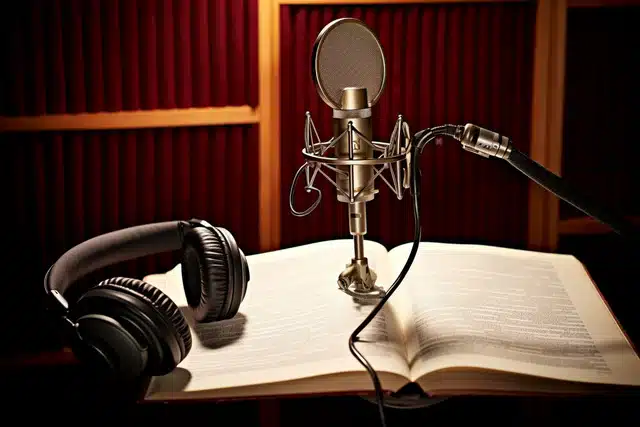
What's the Difference Between Sponsorship and Crowdfunding?

These two strategies often get lumped together, but they couldn’t be more different in how they function and how you use them.

  • Sponsorship is a marketing relationship where a brand supports your project in exchange for visibility, access to your audience, or strategic alignment.
    “A sponsor is contributing because they want access to your audience, or there's an aligned vision, or a synergy that exists.” – Charmaine Hammond
  • Crowdfunding involves asking your audience to financially support your book in exchange for early access or rewards.
    “It’s so much more than the money. It’s proof of concept, a way to energize your community, and a marketing campaign all in one.” – Victoria Bennett

They’re both powerful – but the key is knowing which one supports the goals of your specific book.

When Should You Use Each One?

If you’re launching a book tour, want to secure bulk buys, or need additional support services, sponsorship can be a powerful accelerator.

Charmaine shared the story of how her Million Acts of Kindness tour landed over 40 sponsors – including hotels, telecoms, and even her dog’s food.

“The first 40 sponsors were people I knew: my hairstylist, my eye doctor. People said, ‘How can I get involved?’”

On the other hand, crowdfunding is often best when you need upfront capital to pay for publishing, design, or marketing expenses and to gauge interest from your core audience.

“Data is king, but clarity is queen,” Victoria reminded us.

Before you even think about launching, you need to know:

Why this book? Why now? Who's going to care?

Do's and Don'ts of Getting Funded

What to Do:

Start small and close.
“Begin with 25–50 people you know personally. Warm them up first and ask them to be your foundation.” – Victoria Bennett

Pitch partnership, not pity.
“Sponsorship is not charity. You’re offering value, visibility, and a meaningful relationship.” – Charmaine Hammond

Create clear, meaningful reward tiers.
“Keep crowdfunding rewards simple. 4 to 7 levels is ideal. And skip the T-shirts, they kill your margins.” – Victoria Bennett

Build real ROI for sponsors.
“Think beyond logos. Some sponsors want a warm intro more than anything else.” – Charmaine Hammond

What to Avoid:

Cold pitching.
“Build relationships first, then present a proposal.  – Charmaine Hammond


Launching without prep.
“Give yourself 90 days of prep. Most failed crowdfunding campaigns skip this step and pay the price.” – Victoria Bennett

Overcomplicating your ask.
Clarity in both sponsorship and crowdfunding builds trust. Confusion kills momentum.

Turning Support Into Real Growth

Raising money is just the first step. Whether your backers are individuals or brands, what matters most is how you turn those connections into long-term support.

That means:

  • Having a clear next step
  • Making it easy for people to stay engaged
  • Repurposing your campaign content into long-term marketing

Victoria reminded us that clarity and planning are everything:

“Make sure it’s personal, warm everybody up. Success breeds success.”

And Charmaine summed it up beautifully:

“It’s a relationship, and it’s an opportunity to tell your story. When you build those things together, you are already in motion.”

Tools to Get You Started

If you’re ready to explore funding options, start here:

  • Kickstarter / Indiegogo – Crowdfunding platforms with built-in visibility
  • Hatchfund – Ideal for creative or mission-driven work
  • Canva – For creating visuals and mockups
  • Google Docs + Airtable – To organize outreach, reward tiers, and communication
  • LinkedIn – For sponsor prospecting and warm intros

Also, check out our Author Resource Directory to connect with vetted experts who can help you build your campaign and your brand.


The bottom line? Both crowdfunding and sponsorship can work – when you approach them with intention.

Know your goals. Lead with value. Build relationships that last longer than a single campaign.

And remember: your book isn’t just a product. It’s a platform. When you fund it with clarity and connection, you’re not just publishing – you’re building a movement.

Join us for the next expert panel here and catch the full replay of our Crowdfunding & Sponsorship event: https://twinflamesstudios.com/panels

What most surprised you, or what do you still want to know? Let us know your thoughts below!

About Tina Dietz:

Tina Dietz is an award-winning and internationally acclaimed speaker, audiobook publisher, podcast producer, and vocal leadership expert whose work and shows have been featured on media outlets including ABC, NBC, CBS, The Wall Street Journal and Chicago Tribune, Inc.com, and Forbes. She’s been named one of the top podcasters for entrepreneurs by INC.com, and Tina’s company, Twin Flames Studios, re-imagines thought leadership through podcasting and audiobooks for experts, executives, and founders.
ROI With Podcasting and Publishing

What works… and how to define success on your own terms.

ROI is not one-size-fits-all, and it involves more than downloads or book sales (though those are an important piece of the puzzle).

Rather, we find it more useful to explore the dance between podcasting and publishing—and how these two platforms work together to create long-term results that last.

That’s the conversation we had during this month’s Twin Flames Studios Expert Panel, where I hosted three wonderful multi-medium experts: Traci DeForge, Michelle Fishering, and Alex Sanfilippo.

Together, we shed some light on how to combine your efforts to create flow, ease, visibility, speaking opportunities, and success that endures.

Your Podcast Will Write Your Book (When You’re Ready)

Books and podcasts complement each other perfectly.

Even worse, missing the connection between these two foundational pieces of content is a fast path to burnout and missed opportunities.

Traci DeForge laid it out clearly as a guest on a recent expert panel: your podcast should feed your book.

  • Each one of your episodes gives you an opportunity to test and explore key concepts for your outline and writing process
  • Your audience will give you feedback in real time
  • When your book is ready (or if it’s already available), your first chapter will become an important lead magnet

“I can see no reason to separate them and probably a million reasons to connect them.”  –  Traci DeForge

This kind of cross-pollination and cross-promotion is what builds real momentum with FAR less work.

Michelle Fishering echoed the value of dual-purpose platforms:

“Podcasting and books are the foundation of your relational ecosystem. It can grow exponentially when you put the two together, whether it’s the podcast feeding the book creation or the book driving people to the podcast.”

And when you’re not sure what your book should cover?

Let your interviews guide you.

“These two things go together really well when it comes to fleshing out ideas.”  –  Alex Sanfilippo

Looking Beyond the Downloads

Downloads, subscribers, and book sales matter. But they don’t tell the whole story.

Predicting and understanding your results comes from a variety of different sources when combining your book and podcast into a unified strategy.

Alex recommended looking at completion rates – did they finish the episode? If not, your message may not be landing.

“Ask yourself: Am I telling stories that people want to hear? Is it resonating with them?”  –  Alex Sanfilippo

Traci added that intimacy beats vanity:

“A very small but highly engaged audience can actually turn into more conversations in some cases than the larger audiences.”

And Michelle reminded us that success should be custom-fit:

“I cannot tell you the number of clients I've sat down with, and we've taken their end goal, and we create metrics that make sense for them.”

Whether your goal is for your book or podcast to get you speaking gigs, grow your email list, or drive partnership referrals – then those are the critical ROI numbers to watch.

How to Move the Needle (Without Turning Into a Promo Machine)

Want your content to convert? 

Keep it simple. 

Don’t list every offer or jam your URL into every sentence.

“You want to make sure that your URL, for example, is very clear. Don't make one that's completely different from how audiences already know you.”  –  Traci DeForge

Alex shared a fresh example:

“I've more recently seen some authors doing miniature quizzes to determine if the book is a good read for you. Follow that up with next steps and resources.”

 When you’re feeling awkward promoting your book or services in a podcast interview, this approach keeps it audience-first and makes conversion natural.

Your Content is Always Working

Nothing you create should ever be one-and-done.

Michelle put it beautifully:

“A podcast is a conversation – essentially what a good book is as well. I want to be able to go back and consume that material in a different format, but with rigor and intensity.”

That’s the power of a well-designed podcast episode, book, or audiobook: it sticks. It invites replays and re-reads. It earns attention over time.

Our advice?

Repurpose everything. 

Turn interviews into articles, chapters into reels, or transcripts into social posts. 

Respect the time you’ve already invested – your audience will, too.

One Brilliant Tip for Post-Launch ROI

“Your book should be part of a three-legged strategy: hosting, guesting, and targeted podcast ads. That way, you tap into audiences that mirror the ones you’re targeting.”  –  Traci DeForge

When you treat your book like a media asset rather than just a product, it works a lot harder for you.

Let's Recap

  To create direct ROI from your podcast and book content, here’s where to focus:

  • Podcast your book into existence (test ideas, get feedback, and build an audience)
  • Use interviews to drive action (with one clear call to action)
  • Track engagement (and be mindful about what drives it)
  • Let both platforms do the work (your book feeds your podcast, your podcast sells your book)
  • Repurpose everything (use what you already have and build from there)

You don’t need to do more. 

You just need to stay consistent, connected, and let your content work for you.

Want in On Our Next Expert Panel?

Join our monthly series where we talk real-world publishing, visibility strategy, and the business of authorship – no fluff, just what’s working now. Reserve your spot here.

Final Thoughts

Your podcast and book aren't separate projects. They're two sides of the same strategy.

Forget chasing downloads or rankings. 

Focus on what moves the needle both short and long-term:connection.

You've already created something meaningful. Let's make sure it gets the attention it deserves.

What most surprised you, or what do you still want to know? Let us know your thoughts below!

About Tina Dietz:

Tina Dietz is an award-winning and internationally acclaimed speaker, audiobook publisher, podcast producer, and vocal leadership expert whose work and shows have been featured on media outlets including ABC, NBC, CBS, The Wall Street Journal and Chicago Tribune, Inc.com, and Forbes. She’s been named one of the top podcasters for entrepreneurs by INC.com, and Tina’s company, Twin Flames Studios, re-imagines thought leadership through podcasting and audiobooks for experts, executives, and founders.
Book Bestseller Status is Broken

Here's what authors should focus on instead.

You launched the book. You got the badge. You celebrated.
Then… nothing happened.

In 2025, “bestseller” doesn’t mean what it used to—and for most authors using their book to build a brand or business, chasing that badge might be the wrong goal entirely.

That’s the conversation we had during this month’s Twin Flames Studios Expert Panel, where I hosted three brilliant voices in modern publishing: Jenn T. Grace, Melanie Herschorn, and Robbie Samuels.

What we uncovered was part myth-busting, part strategy reset—and 100% necessary if you want your book to keep working for you after launch day.

The Bestseller Badge: Still Useful? Or Past its Prime?

Let’s get real: authors still want that badge. It feels good. It looks impressive. But the real question is—what does it actually do?

“It’s a confidence boost, not a marketing plan.”
Melanie Herschorn

Getting the title of “bestselling author” can create credibility, especially with audiences who don’t know how the sausage is made. But as Jenn T. Grace reminded us:

“The average person doesn't know an author. So, when they meet one, and that person is a bestseller, they don’t know how it came to be.”
Jenn T. Grace

There’s no shame in leveraging the title—but it shouldn’t be the only strategy you rely on.

“Bestsellers should be the byproduct of a strategically done launch.”
Robbie Samuels

What Authors Should Focus on Instead

If you’re a coach, consultant, or expert using a book to grow your platform, our panel agreed on this: you need a strategy that creates long-term visibility—not just a short-term spike.

1. Build Your Email List

Your email list is your most powerful tool—and the only platform you truly own.

“You have full control over your mailing lists. They're safe, trackable, and you can do all kinds of sophisticated things with them down the road.”
Jenn T. Grace

Jenn shared how she built a two-year nurture sequence for readers who download book bonuses—proving that list growth is a long game, not just a launch-week task.

2. Prioritize Reviews Over Rankings

Amazon’s bestseller ribbon can vanish within hours. But verified reviews stay, build trust, and drive sales.

“Reviews are social proof that stick. They influence buyers, podcasters, and event organizers.”
Robbie Samuels

Focus on activating your audience to leave honest, verified reviews—especially during your soft launch or relaunch window.

3. Think Like a Platform, Not a Campaign

Your book isn’t a one-time event. It’s part of a larger visibility ecosystem.

“If you don’t have a marketing plan that already works, your book is like a rocket ship taking off and falling into the ocean.”
Melanie Herschorn

Create momentum that goes beyond the launch—opt-ins, evergreen content, speaking outreach, even second-edition or audiobook relaunches.

Where Bestseller Still Belongs

 Bestseller status isn’t useless. But it should be one part of a bigger visibility strategy, not the whole goal.

“You can hit number one in some obscure category at 2am, but that doesn’t mean your book will do anything for your business.”
Robbie Samuels

Use it as a credibility tool—but only when it's supported by real outcomes like engagement, email list growth, or speaking leads.

Use Awards as an Authority Multiplier

 If you want recognition that cuts through the noise, strategic awards may have more impact than a fleeting badge.

“If four of us wrote the same book, and one of us had ‘award-winning’ on the cover… that’s the one that would stand out.”
Jenn T. Grace

Choose awards judged by real people. Look at past winners. Submit strategically—and use any recognition as a long-term brand asset.

Your Book Still Has a Job to Do

One of my favorite moments in the conversation was this:

“Your book doesn’t fall off a cliff. As long as it’s an evergreen topic, you can keep marketing it—even if it was written three years ago.”
Melanie Herschorn

We see this all the time with our clients at Twin Flames Studios—especially those launching audiobooks years after their initial print release. With the right strategy, older books often perform better the second time around.

Let's Recap: What Actually Works in 2025

 If you’re serious about using your book to grow your business, here’s where to focus:

  • Email list growth (and an automation plan behind it)
  • Verified reviews (collected during a soft launch or relaunch)
  • Speaking engagements (with a clear positioning and pitch)
  • Awards and recognition (strategically chosen and submitted)
  • Audiobook relaunches (as a second chance to make a first impression)

You don’t need to be perfect. You just need a real plan that keeps working long after your book goes live.

Want in On Our Next Expert Panel?

Join our monthly series where we talk real-world publishing, visibility strategy, and the business of authorship—no fluff, just what’s working now. Reserve your spot here.

Final Thoughts

Your book is more than content. It’s a catalyst.

Whether you’re launching your first or relaunching your fifth, don’t just chase bestseller status.
Build a system that turns your book into long-term visibility, relationships, and results.

Your message matters. Let’s make sure people hear it.

What most surprised you, or what do you still want to know? Let us know your thoughts below!

About Tina Dietz:

Tina Dietz is an award-winning and internationally acclaimed speaker, audiobook publisher, podcast producer, and vocal leadership expert whose work and shows have been featured on media outlets including ABC, NBC, CBS, The Wall Street Journal and Chicago Tribune, Inc.com, and Forbes. She’s been named one of the top podcasters for entrepreneurs by INC.com, and Tina’s company, Twin Flames Studios, re-imagines thought leadership through podcasting and audiobooks for experts, executives, and founders.

How AI is Changing the Publishing Industry

The robots are coming…

And the publishing industry is welcoming them.

With its dramatic development over the past two years, artificial intelligence (AI) is reshaping everything from writing and editing to marketing and intellectual property rights.

As authors and experts, you are the ones who will decide whether AI is a replacement to be feared or a tool to be mastered.

One thing is for sure though: AI is not a far-off fantasy. 

That’s why I recently hosted some of the leading experts with experience in both authoring and publishing technologies: Thad Mcllroy, Elizabeth Ann West, and Jason Hamilton to discuss AI’s role in publishing and how you should navigate this important industry transformation.

The Current Landscape: Where Are We With AI in Publishing?

Is AI a  disruptive innovation or a passing fad?

As Thad McIlroy, publishing analyst and author of The AI Revolution in Book Publishing, put it: “They're still asleep at the wheel, and the car is moving very rapidly down the freeway.”

While some major publishers remain skeptical, independent authors and small presses are already leveraging AI to increase productivity and expand creative possibilities. 

For example, our live poll during the live panel showed an even split between attendees actively using AI and those still exploring. 

The Big Five Ways AI Is Disrupting the Publishing Industry

Writing and Creative Process

Elizabeth Ann West, bestselling author and founder of Future Fiction Academy, emphasized that “AI's biggest threat is not to publishers—but to authors who ignore it.”

 “Society needs authors using AI, not publishers,” she said. “With the right fine-tuning and prompting, AI can now generate publishable fiction that “makes you laugh, makes you cry.”

Jason Hamilton, author and founder of The Nerdy Novelist, encouraged creators to think bigger: “This isn’t about how to publish more books. Everybody can do that now. It’s about how we can do things that were never possible before.”

Editing and Productivity

If you need a burden lifted off your shoulders, AI is a useful tool to decrease stress and enhance workflow. 

By using fine-tuning, you can draft entire scenes or chapters, suggest structural edits, or mimic your own writing style with surprising accuracy.

Marketing and Book Descriptions

If marketing seems like the bane of your existence, you’re not alone. 

AI  is changing that.

Hamilton shared his method for generating high-quality book descriptions: “Find a top indie in your genre, break down their blurb sentence-by-sentence with AI, then build a template. Feed in your synopsis, and you're already in the top 10%.”

Legal & Ethical Considerations

There’s still a lot of confusion and concern about copyright. However, it’s helpful to note that risks are more about misinformation than infringement.

West broke it down: “You can't copyright AI-generated words—but you can copyright the selection and arrangement.” 

Think of it like fanfiction, where the author’s original additions are protected.

Thad McIlroy added, “The Copyright Office is misinterpreting the technology. What they're declaring is not realistic in this particular age of AI generation.”

Industry Dynamics and Market Saturation

AI is resulting in thousands of new books being published, but is the quality there yet?

AI is only as valuable as the person controlling it. Authors with a distinctive voice, a personal brand, and a strategy will prevail over the “AI slop” every time.

And if you’re a fan of niche genres, you’re in luck! If new technologies halve a book’s creation time, serving a smaller audience will be worth the hassle.

What Most Authors Miss

 AI shouldn’t be treated like a magic button.

Don’t fall into that trap.

Instead, West emphasizes integrity and diligence: “You want a tool that gives you control, not one that does it for you.”

How to Start Using AI (the Smart Way)

And above all: practice. The future of publishing is powered by AI. 

Success won't come from blind adoption or rejection. It will come from authors who are willing to learn, adapt, and keep their creative integrity front and center.

I can’t wait to see what you create next!

What most surprised you, or what do you still want to know? Let us know your thoughts below!

About Tina Dietz:

Tina Dietz is an award-winning and internationally acclaimed speaker, audiobook publisher, podcast producer, and vocal leadership expert whose work and shows have been featured on media outlets including ABC, NBC, CBS, The Wall Street Journal and Chicago Tribune, Inc.com, and Forbes. She’s been named one of the top podcasters for entrepreneurs by INC.com, and Tina’s company, Twin Flames Studios, re-imagines thought leadership through podcasting and audiobooks for experts, executives, and founders.
The Key to Getting Publicity and PR With Your Book in 2025

Publicity is still as valuable as ever!

Image of three hands holding three multicolored microphones.

Publicity is always adapting…

While the publishing industry has undergone a period of rapid transformation, publicity as an industry may be changing even faster.

For authors and experts like you, publicity is still an essential tool to grow your audience, establish credibility, and, yes, sell books. But gone are the days of simply getting meaningful PR by sending out a press release and hoping for the best.

The most effective strategies now focus on reaching the right audience, not the largest one.

Your approach must focus on specific markets and opportunities, delivering the right message during those opportunities, and creating long-term relationships.

This is why I recently hosted some of the leading experts with experience in both the publishing and publicity industries: Mary O’Donohue, Jess Todtfeld, and Marissa Eigenbrood to share insights on what works, what doesn’t, and how to turn media attention into real results. Our own CMO, Ken Course, also chimed in with some timely insights.

What's Changed and What Hasn't

Traditional media has avoided a complete fall from grace but is nowhere near its gold standard status of years past.

The reason? With the rise of algorithms and increasingly short attention spans, niche media opportunities have become the most influential source of PR. 

This means podcasts, targeted articles, and industry blogs are more likely to attract the right people who will support your work long after a fleeting TV appearance.

That’s not to say traditional media has no value, but effective publicity today requires a more diverse strategy. Developing multiple media touchpoints will get you to results faster. 

Where Should You Focus Your PR Efforts?

Many authors and experts dream of the “home run” scenario.

While big media opportunities are impressive to have on your website or resume, they don’t always generate book sales. 

Mass market, or “chasing the big crowd,” often misses your most engaged audience.

Jess Todtfeld notes that while high-profile appearances look impressive, “The right podcast audience is more likely to buy your book.”

Mary O’Donohue emphasizes the importance of clarity: “Know your goals—visibility and book sales are not always the same thing.”

Marissa Eigenbrood advises balancing different types of opportunities. “Brand-building media and audience-building media should work together,” she says.

Strategic, targeted publicity will award you the long-term results you need.

Do's and Don'ts of Media Interviews

What to Do:

  • Deliver value and don’t overdo the sales pitch. “Media interviews are a marketing asset someone else pays to create. If you treat it like an infomercial, you’ll lose the audience.” – Mary O’Donohue
  • Have a “real” conversation. “TV and radio hosts want a conversation, not a monologue. Be personable and responsive.” – Marissa Eigenbrood
  • Prepare strong answers to questions and reinforce them with a strong takeaway. “When an interviewer asks about your book, don’t say, ‘That’s in chapter five.’ Instead, give them a strong takeaway that makes them want to know more.” – Jess Todtfeld
  • Don’t forget your call to action, but make sure to give answers with substance. “Your appearances should always direct people to your website where they can sign up for something valuable or to take the next step with you.” – Ken Course

What to Avoid:

  • Being overly promotional. “Your job isn’t to sell; it’s to showcase your expertise and give value. The audience will buy your book if they trust and connect with you.” – Mary O’Donohue
  • Relying on “one big interview.” “Media exposure is about frequency. Keep showing up in different outlets to build recognition and credibility.” – Jess Todtfeld
  • Don’t forget to repurpose your media. “After an interview, share it everywhere. Leverage your appearance for months by repurposing clips, quotes, and key moments.” – Marissa Eigenbrood

Remember, the goal for every appearance is connection, not promotion. 

Turning Your Publicity into Actual Book Sales

In the end, you want your media to convert into actual results.

This means going from attention to action.

Marissa Eigenbrood emphasizes, “Media exposure builds awareness, but consumers need multiple interactions before making a purchase.”

How to Make Your Publicity Convert:

  • Always have a way to capture leads. “Rather than sending readers to Amazon, direct them to your website where they can engage with your brand and access exclusive content.” – Ken Course
  • Have a variety of valuable offers. “Create incentives like downloadable guides, private Q&A sessions, or limited-time discounts to turn interest into sales.” – Jess Todtfeld
  • Leverage each appearance for weeks or months afterward. “One interview can be turned into multiple marketing assets—blog posts, social media snippets, email content. Maximize every piece of media exposure.” – Mary O’Donohue

When your calls to action are clear and easy, it makes a big difference.

For example, one of our recent authors saw their book ranking jump from #650,000 to #97 on Amazon overnight after an online article linked directly to their book page. 

The Tools You Need for Successful PR

Check out these amazing resources our panel shared to streamline your outreach and stay organized:

  • ListenNotes (free/paid) – A searchable podcast database to find relevant shows.
  • MuckRack – A tool for researching journalists, tracking their coverage, and finding media contacts.
  • RecurPost – A scheduling tool for automating social media posts and maintaining a consistent online presence.
  • Cision (higher cost) – A comprehensive PR database for advanced media outreach and journalist connections.
  • PodMatchA platform for podcast hosts and guests to connect and schedule interviews.

And of course, be sure to check out our Twin Flames Studios Author Resource Directory to find credible, experienced PR help. 

This includes contact information from our panelists!

The key to success is having a diverse and refined approach.

This results in better media coverage, bigger results, and ensures that every appearance works harder for your book, your brand, and your audience.

I can’t wait to hear how you put these tips into practice!

What most surprised you, or what do you still want to know? Let us know your thoughts below!

About Tina Dietz:

Tina Dietz is an award-winning and internationally acclaimed speaker, audiobook publisher, podcast producer, and vocal leadership expert whose work and shows have been featured on media outlets including ABC, NBC, CBS, The Wall Street Journal and Chicago Tribune, Inc.com, and Forbes. She’s been named one of the top podcasters for entrepreneurs by INC.com, and Tina’s company, Twin Flames Studios, re-imagines thought leadership through podcasting and audiobooks for experts, executives, and founders.

The State of Publishing 2025

All the Trends and Tools You Need to Know!

Image with "Publishing" in bold, red text

2025 is shaping up to be one of the biggest years of transformation for the publishing industry ever.

From groundbreaking AI tools to massive shifts in traditional publishing models, authors like you are navigating a wide range of challenges and exciting opportunities. 

This is also why I recently hosted some of the leading experts in the publishing industry (and more of them are coming up here) Jane Friedman, Dale L. Roberts, and Andrea Fleck-Nisbet to explore the trends that you need to follow.

This is what you need to know to succeed with your project in the year ahead.

Image of a flipped open book

The Trends Changing the Publishing Industry Right Now

Hybrid Collaborations: The Best of Both Worlds

The publishing industry is changing their approach to partnering with authors in a big way.

The good news? A partnership gives authors like you access to wider retail markets while still retaining control over your digital rights. 

Deals like this just weren’t possible in the past and traditional publishers weren’t as interested in them.

As a great example, check out Bloom Books, an imprint of Sourcebooks backed by Penguin Random House.

So what will this mean for you?

Hybrid collaborations will open doors for authors who have proven their market potential and want help scaling their success.

It’s a completely new type of marketplace.

AI’s (Obviously) Changing the Game

So, is it worth the hype yet?

Kind of…

But maybe not in the way you think.

AI is driving advances in translation, drafting, and audiobook production which makes publishing a lot more accessible. But there are a lot of warning flags popping up when it comes to copyright and author rights.

This is why tools like Created by Humans are helping ensure authors are compensated when their work is used to train AI models.

The legal and ethical battles over AI are still ongoing, which means it’s not going to be settled for a while yet.

Most importantly, while the technology is improving rapidly, it still lacks the nuanced touch of a human creator.

Should you be ignoring AI completely? Absolutely not. However, you should be carefully considering where and when to use it appropriately. 

The Market Is Consolidating

In not so great news, many smaller distributors are starting to collapse.

This consolidation means narrowed options for indie authors and small presses while shifting the balance of power to larger distributors.

As a sad example, take a look at what recently happened with Diamond Comics.

What this means for you is that you likely won’t find as many options as you have in previous years.

The Opportunities You Need to Take Advantage of in 2025

It’s Easier than Ever to Engage Directly with Your Readers or Community

Your email list is still your most important asset and it’s more than a marketing tool—it’s your VIP lounge for building lasting connections. 

Authors and publishers are building communities on social platforms that go beyond a single book sale.

This means you should be thinking of yourself as a community leader from the start.

Genre Interest is Shifting into Escapist Fiction and Reader Comfort (But Don’t Just Chase the Trends)

Readers are seeking comfort in uncertain times.

This means that genres like Cozy Fantasy are exploding in popularity. Think of it as your literary equivalent of a warm blanket and a cup of tea—hobbits optional. This trend of stories with low stakes and high vibes shows no signs of slowing.

But, while it’s tempting to jump on a bandwagon, authenticity really matters. 

Writing what resonates with you and your audience is far more sustainable than chasing fleeting trends and will make it easier for you to maintain your community as discussed above.

You Have Access to More Data and Sales Opportunities Than Ever

Platforms like Benevity, LaterPress, and BookVault empower authors to sell directly to readers, retain higher royalties, and gather invaluable data about their audiences.

The great part:  you get access to more data than you’ve ever had before!

Unlike traditional platforms like Amazon and Ingram, which only give you limited insights, direct sales platforms give you a clear view of your customers and buying trends.

Owning this data helps you:

  • Make smarter marketing decisions.
  • Build stronger connections with readers.
  • Optimize pricing and promotional strategies.

More and more, it's up to you to keep control of your list, sales, and community.

The tools are more accessible than ever.

Don’t Forget About Crowdfunding!

Crowdfunding may seem like it has come and gone, but that’s far from the case.

Kickstarter and other platforms are offering authors ways to fund your project while building excitement, community, and engagement the whole time.

For example, one author used Kickstarter to fund an entire national speaking tour while promoting their book—which changed the entire model of their launch.

Even When the Industry Changes, the Possibilities Are Still Huge

You’ll notice a theme in all of these points – expansion.

Yes, the model that has existed forever is going through a rude awakening. What most people think of when it comes to publishing doesn’t exist in the same way as before.

But, publishing in 2025 is still a world of possibilities. 

And there’s still nothing quite like the impact of a book.

The future of publishing isn’t just about trends—it’s about how you as a leader, author, and creator tell stories that matter to your audience.

Want to see the entire hour with our expert panel? Watch it here!

I can’t wait to see what you create next.

What most surprised you, or what do you still want to know? Let us know your thoughts below!

About Tina Dietz:

Tina Dietz is an award-winning and internationally acclaimed speaker, audiobook publisher, podcast producer, and vocal leadership expert whose work and shows have been featured on media outlets including ABC, NBC, CBS, The Wall Street Journal and Chicago Tribune, Inc.com, and Forbes. She’s been named one of the top podcasters for entrepreneurs by INC.com, and Tina’s company, Twin Flames Studios, re-imagines thought leadership through podcasting and audiobooks for experts, executives, and founders.

The State of AI Audiobooks in 2024

Is authenticity dead in the age of AI?

All the publishing world was abuzz in 2023 with the inclusion of AI Audiobooks on the “Big 5” retail outlets Audible, Google Books, Apple Books, Barnes & Noble, and Kobo. Impassioned pleas for authenticity have clashed with diatribes on accessibility and cost across virtual platforms and conference rooms alike.

In 2024, the news cycle on this topic has simmered down considerably, leaving some important questions unanswered.

  • Are AI narrated Audiobooks selling?
  • Is it cost effective to use AI narration for Audiobooks?
  • Does the technology actually work?
  • Will I damage my reputation by using AI narration?
  • What about any innovations or “special cases” where AI narration can help with Audiobook production or sales?

Are AI Narrated Audiobooks Selling?

The short answer is NO.

It turns out that in 2023, resistance to AI narrated Audiobooks intensified. Audiobook listeners reported they weren’t likely to listen to AI generated audiobooks, even if the voice of the author was cloned.

Reviewing the presence of AI audiobooks in the marketplace, there are fewer than two thousand AI voiced audiobooks on the market, most with not great reviews, if any reviews at all.

For contrast, remember that 2700 books a DAY are published in the US alone.

Let’s call this initial reception to AI narrated Audiobooks “cool to lukewarm at best.” With all the buzz around AI in general throughout 2023, why didn’t AI Audiobooks perform well?

I’ll sum it up in one sentence.

NO ONE WANTS A ROBOT VOICE IN THEIR EARS FOR 4, 5, OR 8 HOURS.

This isn’t new. I interviewed a former long-time employee of Learning Ally, a respected and long-standing company devoted to providing accessible materials for children with learning differences, Michael Kinsey. Michael specializes in audio production and, in particular, Audiobooks. He’s also one of our Audiobook directors here at Twin Flames Studios.

“When text to speech came out, we wanted to use the technology to make more books available and accessible. The problem was, no one wanted to listen to a synthetic voice,” explained Kinsey.

“For example, we had a text to speech version of the book The Outsiders, which was taught in a lot of high school English classes for many years. Not very many students accessed it. But when we brought in a professional Audiobook Narrator to create a new version, suddenly the Audiobook version became one of our top titles. Students were listening to the Audiobook even when they didn’t have an assignment related to it.”

While the state of text to speech technology has come leaps and bounds in recent years, our ears and brains are discerning. When it comes to longer-form content like Audiobooks and podcasts, the numbers show that the technology isn’t good enough yet to replicate the nuance of the human voice.

Is it Cost Effective to Use AI for Audiobook Narration?

I keep hearing AI Audiobook narration being referred to as “cost effective.” That implies that you can get the job done for less and still reap the benefits. But if AI narrated Audiobooks aren’t selling well, we can’t call this a cost effective solution.

AI Audiobook Narration cost can range from free to about 5K per Audiobook. For the sake of comparison, our full Audiobook packages tend to range from 3-5K in either the case of author narration or professional narration.

This isn’t just about numbers; it’s about impact. Just think what those 250 people will accomplish by taking action in their lives, in their businesses, in their communities – because of what they learned as a result of your book.

If you go with one of the free options, you’re going to spend a considerable amount of time learning how to edit your Audiobook to get it to a finished product, and not even a finished product that would compare well with a human narrated audiobook.

Does the Technology for AI Audiobook Narration Really Work?

I do believe that at some point, AI audio will become pretty much indistinguishable from human voices. Since it’s not there yet though, here’s what we know is possible, based on research across Audiobook platforms and AI voice options.

1. AI audio narration voices are available in more than 25 different languages. HOWEVER, the translations are wildly inaccurate, particularly for long-form audio like an audiobook.

Want to know more about how inaccurate? Leave a comment on this post and if there’s enough interest, we’ll do a video demo!

Besides errors in translation from language to language, here are some other pitfalls of the current technology that it doesn’t handle well:

2. Dialects and diverse expressions

For example, one publisher of Judaic books noted to me that he had to abandon AI as a feasible option because AI can’t make the “Jewish” sounds denoted by Hebrew glottal [ʔ] (א) and [h] (ה), uvular [χ] (ח), and pharyngeal [ʕ] (ע).

3. Pronunciation issues and regionalisms

Getting AI to correctly pronounce names, or understand if you want the word “aunt” pronounced “ant” or “awnt,” or if you’re a Canadian author and want “process” pronounced “pro-cess” instead of “praw-cess,” is an exercise in frustration.

I could give you at least 50 examples of single words that have multiple pronunciations like the ones above.

4. Emotional nuance, pauses, and humor

We know from decades of sales data that what sells an Audiobook is the quality of the narration. The more a narrator, be they the author or a voice actor, feels like they’re right there with you and drawing you in, the better and more impactful the audiobook.

AI doesn’t know how to breathe, and lacks the natural cadence and pacing of human voices. This not only gives us that “uncanny valley” feeling when we listen, it also impacts the performance. AI doesn’t understand where nuanced pauses should go, or sometimes what words need to be emphasized. It definitely doesn’t understand jokes, irony, or sarcasm.

Imagine a romance novel where the narrator doesn’t understand longing, or desire…

Imagine a business book where you’re trying to learn something important, but the pauses aren’t in the right place, or the author meant something to be ironic and now you’re left feeling confused.

Our Senior Audiobook Director, Paul Stefano, has narrated many, MANY dozens of Audiobooks in his career, both fiction and nonfiction. Recently, he decided to license his voice to a reputable AI narration company, and they sent him a professionally edited audio sample of his AI voice clone. The voice clone was created from a recording of an audiobook that Paul owns the rights to, and this represents the best current technology in AI cloning that is easily accessible to the public.

Listen to both brief samples, and then imagine listening to each voice for 4, 6, 8, or 10 hours.

AI Narration Sample:

Natural Sample:

Will I Damage my Reputation by Using AI narration?

The Internet has a long memory. Back when The Gifts of Imperfection was originally published in 2010, Brene Brown’s publisher didn’t have her narrate the audiobook. In fact, the narrator wasn’t even close to Brene’s vocal style.

Things did not go well.

The book sold 3 million copies, but the audiobook did NOT.

One of the biggest requests that Brene had over the years was a version of that audiobook with her narrating, because Brene is highly known for her voice. She originally went viral via her TED Talk, she has podcasts, and her candor and combination of deep research and insight combined with a naturally enthusiastic “folksy” presence gives Brene a vocal thumbprint that is unmistakable.

What does this have to do with AI?

Well, if a highly produced Audiobook plus a professional, but ‘off the mark’ casted narrator hurt Brene’s Audiobook sales and ratings that much, just imagine what the reaction would be to an AI narrator.

When Brene released the 10th anniversary edition of The Gifts of Imperfection, she narrated a new version of the audiobook, and the ratings and reviews speak for themselves.

Not everyone is going to have Brene Brown’s level of notoriety and success, but she didn’t start out a multiple NYT bestseller. She was a college professor and researcher. If you are planning on being known for your voice as an expert, speaker, or industry leader, you need to cherish and cultivate your voice as a unique asset. If you’d like to get started with some exercises to help you develop your voice, here are some tools and resources for you.

What About Any Innovations or “Special Cases” Where AI Can Help with Audiobook Production or Marketing?

Yes, there are several places where AI is super helpful!

Overall, short-form content like social media is a good place for the current state of AI audio. We’re already used to hearing AI voices in social media on many viral reels, and this can save creators time and energy. Plus, if you’re not someone who loves being on camera, using an AI voiceover can work just fine for short content.

I personally love a good doggo voice over.

AI tools for promoting your Audiobook are becoming more abundant as well, which we love. I’m a fan of Vidyo.ai, which automatically edits longer video into clips for social media, blogs, etc.

PRO TIP: Convert your Audiobook files from .mp3 to .mp4 and get the AI to suggest short, interesting clips of your audiobook for promotional Videograms. You can also reach out to us to create these for you, they’re great for evergreen marketing campaigns, and cross promoting your articles, blogs posts, and newsletters with your audiobook.

And as a final thought, we’d love to see AI continue to evolve so that we could use it to make Audiobook edits. While an entire AI Audiobook narration is hard on our ears and brains, being able to replace some words using AI narration would be a great use of time, energy, and money for authors, narrators, and producers/publishers alike.

Audiobooks continue to sell at an accelerated rate, with double digit growth year on year for the last 12 years. They’re an enduring format, but what makes an Audiobook truly endure the test of time is the quality of narration. If you’re ready to create an Audiobook that you’re proud of for decades to come, contact us and let’s get your work into more ears and hearts.

Read and watch more Frequently Asked Questions about Audiobooks and benefit from our expertise, or Contact Us for more information and forthright advice about producing, distributing, and profiting from Audiobooks. Plus, download our Vocal Leadership Workout to develop and refine your the most influential tool you have — your voice!

What most surprised you, or what do you still want to know? Let us know your thoughts below!

About Tina Dietz:

Tina Dietz is an award-winning and internationally acclaimed speaker, audiobook publisher, podcast producer, and vocal leadership expert whose work and shows have been featured on media outlets including ABC, NBC, CBS, The Wall Street Journal and Chicago Tribune, Inc.com, and Forbes. She’s been named one of the top podcasters for entrepreneurs by INC.com, and Tina’s company, Twin Flames Studios, re-imagines thought leadership through podcasting and audiobooks for experts, executives, and founders.

Is A Book Still Worth It: How to Write a Book for Today’s Market

Let’s get real for a second and talk about how to write a book for today's market and what it really means to do so.

The book publishing industry tells people to make dreams meet paper.

How? Write a book. They’ll tell you, “Publish that book! It’s your ticket to authority, uniqueness, and that indescribable je ne sais quoi that an expert needs to stand out.

But here’s the tea…

how to write a book

Peeling Back the Curtain on Publishing

Every single day, the U.S. greets 2,700 new titles. Yet, catching those 100,000+ sales is like finding a unicorn in a haystack.

The average self-published author? 

They’re looking at 250 sales. But before you toss your manuscript out the window, hold up – because this is where it gets interesting.

The Mighty Power of 250

Imagine those 250 sales not as numbers, but as people – each one an individual connecting deeply with your message. This select audience could be the very people you’ve been aiming to reach, ready to champion your cause. 

This isn’t just about numbers; it’s about impact. Just think what those 250 people will accomplish by taking action in their lives, in their businesses, in their communities – because of what they learned as a result of your book.

True Influence vs. Follower Count

In our digital era, it’s easy to get caught up in the follower frenzy. But here’s the kicker: real influence isn’t about how many, but about how much – the depth of connection, the conversations sparked, the actions taken. Authors like Brene Brown and Malcolm Gladwell didn’t just gather an audience; they built communities moved to action by their words. 

Their books came first.

Nonfiction: A Catalyst for Change

Nonfiction books have this incredible capacity to not just share knowledge but to inspire action.

Think Rachel Carson’s Silent Spring or Betty Friedan’s The Feminine Mystique – these weren’t just books; they were movements that continue to shape our world today, many decades after they were published. 

Your book could be the next catalyst for change, reaching those who are ready to listen and act.

How to Write a Book in the Digital Age

While the digital world whirls with tweets and snaps, nonfiction books stand as islands of depth and reflection. They offer a pause, a chance to dive deep, and a platform for authors to share their most potent thoughts. 

The advent of digital media has revolutionized the way knowledge is consumed, giving rise to questions about the relevance of traditional books in a fast-paced world. Yet, despite the proliferation of social media, short videos, and online courses, books remain unparalleled in their impact. Here's why:

  • Depth of Engagement: Books offer a depth of thought and analysis that short-form content simply cannot match. They allow authors to explore ideas comprehensively, fostering a deeper connection and understanding with their audience.
  • Perceived Authority: Publishing a book establishes an author's credibility in a way that transient digital content cannot. It is a tangible testament to an author's expertise and commitment to their field.
  • Longevity: Unlike social media posts or videos that quickly fade into the background, books have a lasting presence. They continue to be cited, referenced, and read years, if not decades, after their publication. Simply put, books endure.
  • Market Reach: Books open up opportunities to reach audiences beyond digital boundaries, including speaking engagements, workshops, and academic citations.

To Write, or Not to Write?

So, we circle back to the big question: Should you write and publish that book? If you’re looking to do more than just win a popularity contest – if you’re aiming to truly resonate and make a lasting impact – then yes, a thousand times yes. 

This journey is about tapping into the unique power of books to connect, to inspire, and to mobilize. It’s about embracing the opportunity to share your voice, your vision, and your message with the world – and maybe, just maybe, change it for the better.

Writing and publishing a book isn’t just an item on a to-do list; it’s a path to creating ripples of change, fostering a community of engaged readers, and contributing something timeless to the global conversation. So, are you in? Because the world’s waiting for what you have to say.

Read and watch more Frequently Asked Questions about Audiobooks and benefit from our expertise, or Contact Us for more information and forthright advice about producing, distributing, and profiting from Audiobooks.

What most surprised you, or what do you still want to know? Let us know your thoughts below!

About Tina Dietz:

Tina Dietz is an award-winning and internationally acclaimed speaker, audiobook publisher, podcast producer, and vocal leadership expert whose work and shows have been featured on media outlets including ABC, NBC, CBS, The Wall Street Journal and Chicago Tribune, Inc.com, and Forbes. She’s been named one of the top podcasters for entrepreneurs by INC.com, and Tina’s company, Twin Flames Studios, re-imagines thought leadership through podcasting and audiobooks for experts, executives, and founders.

Don’t Write Your Book Until You Know These Five Things!

By Kim Eley, CEO/Founder of KWE Publishing

Stack of colorful books

So many writers dream of publishing their books, but if you don’t know where to start, the process of actually publishing a book can seem daunting! The process of publishing a book can seem like it’s shrouded in secrecy.

In particular, writers who have never published a book before often are filled with questions about how to publish, what their publishing options are, when to contact a publisher, what marketing will look like, and much more.

Here’s some good news: even though you might be overwhelmed, you can publish a book—even if you’ve never published anything before! There are so many amazing first-time authors whose stories have changed readers’ lives, and your story deserves to be told, too!

To make the concept of publishing a little more approachable, we’re going to share five things writers who want to publish their first book should know about the world of publishing!

1. There are a variety of ways you can publish your book.

When writers think about publishing their books, they often think about one of two things: working with big-name publishers (also known as traditional publishing) or self-publishing. And while these are both options, there’s a third option as well—working with a hybrid publisher.

Let’s break down the three most common ways books are published:

  • Traditional publishing: you typically submit your manuscript or pitch your manuscript to a publisher, often through an agent; the publisher in these cases often has more control of your manuscript, the layout of the book, etc., and the royalties you receive can vary from publisher to publisher.
  • Hybrid publishing: this is sometimes considered an option that’s in between traditional publishing and self-publishing. You still maintain a good amount of control over your book, but you’ll also work with editors and publishers who can do much of the technical work that’s involved in publishing a book (such as ensuring your book makes it to wholesalers, formatting your book, etc.).
  • Self-publishing: you have ultimate control over your book, and while you have the potential to keep more of the money you make, you also have to pay for editors, illustrators, marketing, etc., directly, and you will need to research the ins and outs of what’s needed to publish your book on particular platforms (obtaining your ISBN, creating and formatting your documents, etc.).

So, what’s the best option for you? It depends on your timeline, budget, patience, and goals. If you want to publish and retain total control over the process, want to keep the bulk of what you make off your book, are okay with doing some research, and you’re willing to independently hire editors and/or illustrators, self-publishing might be a good option. Hybrid publishing is a great option for writers who want to maintain control over their books but need some help with formatting, editing, and other behind-the-scenes things involved in publishing. Traditional publishing can be time-consuming, especially for first-time authors who don’t have an agent, but pitching your manuscript to a traditional publisher can lead to your book being picked up in some cases (though it’s not always guaranteed, of course).

Ultimately, none of these options are “better” or “worse” than the others—it all depends on what you want!

2. You can contact a publisher before your book is complete.

If you want to work with a traditional or hybrid publisher, you don’t have to wait until your book is complete to reach out. In fact, it can be useful to start working with a publisher well before you plan to publish your book!

Though every book will vary (and some publishers will have a preference as to when you submit your manuscript), manuscripts often go through several iterations. After a first draft is written, editors who work with your publisher (if you choose to work with a hybrid publisher or traditional publisher) will review your manuscript to look for any grammatical, technical, or developmental issues that may need to be corrected.

Woman looking at a laptop

For authors who want to self-publish, it’s often a good idea to contact an editor (or several editors, depending on the length of your manuscript and the genre you’re writing in) soon after you’ve finished your first draft. Being open to revisions and suggestions from experts can help you create a more polished book, which translates to giving readers a better reading experience.

3. You don't worry too much about formatting if you're using a hybrid publisher or a traditional publisher.

Often, people worry about making their manuscript look a particular way before sending it off to a publisher, and while you do want your work to be legible, the format you send your book in is likely not the way your book will ultimately look if you work with a traditional or hybrid publisher!

That doesn't mean you want your formatting to be a total mess, of course—after all, being organized as you write will make the process of publishing less time-consuming!—but you don't necessarily have to spend hours or lots of money on trying to format your book yourself.

open and closed books scattered and stacked haphazardly on a table

Most publishers are familiar with taking manuscripts written in Google Docs or Microsoft Word and formatting them as needed. Formatting is a part of the publishing process that publishers often take care of, so you don't need to buy pricey software that may not be needed on your end, to begin with.

If you're self-publishing, depending on the platform(s) you're using, you still likely won't have to spend too much on formatting; many platforms, such as Kindle Direct Publishing (KDP), offer templates that can be used for formatting.

Of course, if you're self-publishing and are struggling to get your format to look just right, don't hesitate to reach out to an expert who can help! You can find experienced individuals willing to help you format your book on sites like Upwork or Fiverr, for example.

4. It’s never too soon to start marketing.

Regardless of what method you choose to use when publishing your book, it’s never too early to begin your marketing efforts.

When working with a hybrid or traditional publisher, some (if not most, in some cases) of the marketing efforts will be done for you. With a hybrid publisher, you may be offered marketing packages that you can use when marketing your book, or you can choose to go solo if you’re a marketing whiz.

And when you self-publish, you’ll be the one who’s responsible for your marketing; in some cases, you might want to hire a professional, but some authors prefer to do the marketing on their own.

There are several great ways to market yourself and your book well before it’s published, including by creating a mailing list, talking about the publishing and writing processes on a blog or social media platform, creating a website for your book, paying for ads, appearing on podcasts…the list goes on!

By marketing your book before it’s published, you can build up an audience. An audience that knows you (aka a warm market) is generally more likely to purchase something of yours than an audience that doesn’t know you (aka a cold market). Plus, building an audience early ensures you can continue to share about future projects beyond your first book!

Of course, you can also market your book well after it’s been published, too, especially if your book is coming out in new formats, such as an audiobook, after the first printed edition of your book has been published.

5. You define what success looks like when it comes to your book!

People gathered around stacks of books for a signing

Every writer has a different reason for publishing their book. Some writers want to entertain readers, some want to educate and advocate for a particular group of individuals, and others just want to share a story that’s important to them.

If you’re working with a hybrid or traditional publisher, spend some time talking to them about what your expectations are for your book. They can help you figure out what’s realistic and manageable, and what steps you need to take to meet your goals.

And if you choose to go the self-publishing route, it’s still important to clearly define your goals for your book—and do a bit of research to learn the best ways to meet them. You don’t have to wait until you’ve finished your book to start this process!

Just because you’ve never published a book before doesn’t mean the process has to be overly complex or difficult!

Whether you choose to self-publish, work with a hybrid publisher, or work with a traditional publisher, you can create and share your story with the world—it just takes some time, patience, and a willingness to learn and accept some outside help when needed.

What most surprised you, or what do you still want to know? Let us know your thoughts below!

More About Kim Eley

Specializing in personal development books and thoughtful children's books is the mission of Kim Wells Eley’s company, KWE Publishing; the common thread of both is to help people see what's possible and shift to a more enjoyable, fulfilled life. she says. As a writing coach and publishing consultant, Kim gives clients six steps to make their books a reality.

Kim is happily married to her BFF and has been for over 20 years. She’s a speaker; an author; a resident of Prince George, Virginia; a cat lover; a collector of orchids; and she gets all of her news from comedy shows.

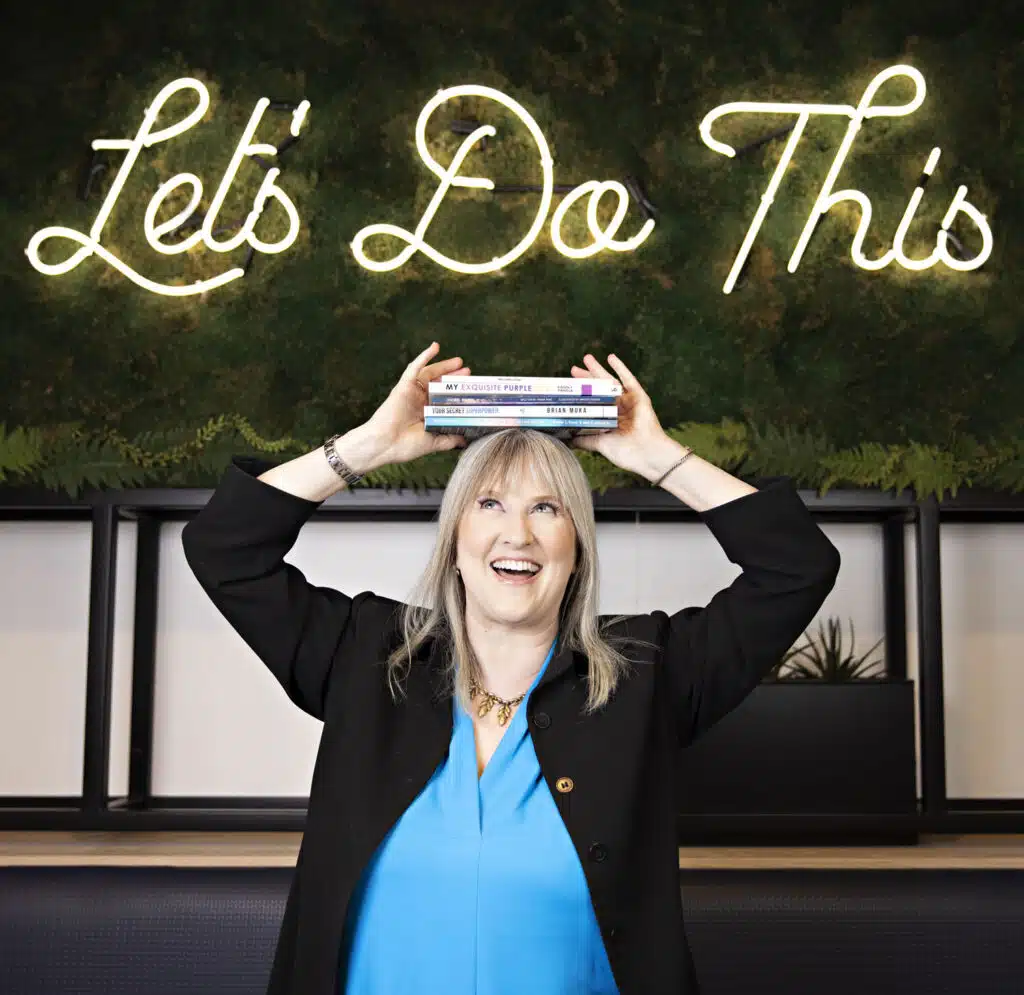
Headshot of Kim Eley holding a stack of books on her head.

Audiobook Publishing: How It’s Done And Why You Need It With Tina Dietz [Podcast]

Have you ever considered that your voice is an instrument and your thoughts and beliefs are the music you’re playing? If you want to learn how to “tune” your voice, take a listen to my guest appearance on the new episode of the More than a Few Words podcast, hosted by Lorraine Ball.(More Than a Few Words Podcast with Lorraine Ball, September 2021)

Recently, Tina joined Lorraine Ball on the More than a Few Words podcast to talk about how to use your voice to deepen your connection with others, enhance your credibility, and strengthen your leadership.

In this episode:

  • You'll discover the 5-7 different vocal qualities that are highly associated with credibility, trustworthiness, and perceptions of leadership
  • How these elements impact your career and income
  • Techniques to sound more professional, confident, and knowledgable 

Listen to the podcast here

Lorraine BallHave you ever thought about what an amazing instrument your voice is? How the tone, the pitch and the tempo of your speaking voice can change how people view you? Well, that's what we're going to talk about today. Okay, here's the show. Welcome to More Than a Few Words – a marketing conversation for business owners. MTFW is part of your digital toolbox and this is your host, Lorraine Ball. I grew up in New York. I have a slightly nasal New York accent. That's part of my voice. But over the years, I've certainly worked to try to moderate that. And it is important that you do, because you can create an impression with your voice. That's what we're going to talk about today. And I couldn't think of a better person to have this conversation with than Tina Dietz. Tina's an award-winning and internationally-acclaimed speaker, audiobook publisher, corporate podcast producer, and vocal leadership expert. She has been featured on media outlets, including ABC, INC.com, Huffington Post, and Forbes.Tina's first podcast, The StartSomething Show, was named by INC Magazine as one of the top 35 podcasts for entrepreneurs. Her company, Twin Flames Studios, amplifies the influence of brands and leaders through high ROI audiobook and podcasting solutions. Tina, welcome to the show!

Tina DietzThanks, Lorraine. I really appreciate you having me on.

I am so excited to have you here, because this is something I've worked on a lot over the years and I think it's really important. But why don't we start with the question: What are the important qualities of someone's voice that makes them an effective leadership voice?

There’s about seven different qualities that are highly associated with someone's credibility, trustworthiness, and perception of leadership when it comes to vocal qualities. And the research around this is a little bit astounding. For example, Duke University did a study of almost 1000 CEOs, and found that on the topic of pitch alone, CEOs who had a lower pitch to their voice, had more tenure, commanded larger companies, had more perception of credibility and leadership, and made more money to the tune on average of an additional $180,000 per year. 

And, you know, I know a lot of women like myself are like, “Crap!” You know, that's not necessarily a good statistic for us. But it's not that alone. The most highly, highly, highly associated vocal characteristic with credibility, leadership, trustworthiness is tempo. And this isn’t a particular tempo, it's your natural tempo. And this has to do with how we perceive somebody's breathing and their natural rhythm—the rhythm of their voice. So if you're, if you're talking a little bit too fast, and you're kind of gasping a little bit and all of that, that shows that you're maybe a little more anxious or nervous or not present. If you're talking slow, and a lot of pauses, then that may show that, again, you're not present and not confident or not sure of what you're saying. So those are two aspects of vocal qualities that really have been shown in research to make a difference. Other ones are sonority, which is the pleasantness of one's voice, articulation, as well as flow. And flow and tempo and articulation all kind of go together, as well.

And, you know, I know a lot of women like myself are like, “Crap!” You know, that's not necessarily a good statistic for us. But it's not that alone. The most highly, highly, highly associated vocal characteristic with credibility, leadership, trustworthiness is tempo. And this isn’t a particular tempo, it's your natural tempo. And this has to do with how we perceive somebody's breathing and their natural rhythm—the rhythm of their voice. So if you're, if you're talking a little bit too fast, and you're kind of gasping a little bit and all of that, that shows that you're maybe a little more anxious or nervous or not present. If you're talking slow, and a lot of pauses, then that may show that, again, you're not present and not confident or not sure of what you're saying. So those are two aspects of vocal qualities that really have been shown in research to make a difference. Other ones are sonority, which is the pleasantness of one's voice, articulation, as well as flow. And flow and tempo and articulation all kind of go together, as well.

So that's really reassuring to someone like me, because as soon as you started talking about it, I heard the deeper bass tone, having come out of a corporate environment, lots of men, I'm like, “Of course that sounds better to their ears.” And that's something that's really hard for me to change. But I can work on the flow, the pacing, some of those other qualities that make me sound more confident.

Exactly. But you know, and the good news is, is that everybody's voice is like a fingerprint. It's unique to us. So if you have an unusual voice, it doesn't mean that you have to fit into a cookie-cutter situation to be unique. You just need to be more of yourself. And the more that you work your voice out like a muscle, like you would take care of your body—it's a very complex musculature in there and your lungs and your throat and your neck and your shoulders, your face, everything combined—you know this, this beautiful orchestra happening inside of your body to get your voice out into the world. If you pay attention to it and work it out, it'll do wonderful things for you.

As a business owner, I'm thinking, “Okay, I'm not going to be doing big presentations, I'm not going to be standing in front of a room of 100 people. Does my voice really matter?”

Yes, yes, it does. It absolutely does. Because business is all about relationships. And every relationship you form, whether it's with a prospective client, it's with colleagues, it's at a networking group, it's on a phone call, it doesn't matter, you bring your voice with you everywhere you go. And you owe it to yourself, and you owe it to the growth of your business, your company, to bring your voice with you and to have it be a representation of who you are as a leader, and who you are as a brand.

Do you think that you have a different voice when you're at home or at work? Is it one voice? Or does it change based on the situation? And those are obviously the two extremes, but does your voice change in different situations?

Yeah, yeah, I think it does. Because we have a range, right? Just like you have a vocal range low to high, we also have a range of expression. And sometimes the expression that you use in business is not necessarily going to be the same expression you use with your kids. 

That being said, I think most people draw two strong boundaries between what's in business, and what's really in your heart. And the more integrated we become from the inside and the outside, the more effective we become as leaders. So vocal leadership isn't really all about the external voice, it's about the dance between your internal voice and your external voice. It's analogous to a virtuoso musician. So, if you imagine your external voice is the instrument you're playing, and your internal voice—your thoughts, your beliefs, your message, all the things that make you who you are—that's the music that you're playing. So if you can learn how to create the arrangement of the music that you're playing, and pay attention to the external instrument, that's when you become a virtuoso.

Wow, I love the comparison between your voice and an instrument, because it really, to me, it makes a lot of sense. I can see that whole tuning and being pleasant to the ear. And even jazz sometimes is appealing to a certain audience. So I like that analogy, because it can be… your voice needs to fit the situation, it also needs to be kind of true to who you are. Are there things that we do with our voice that really work against us? That send the wrong message? 

We could do it pretty easily. There's two in particular that in a business setting, and we're talking specifically about leadership and credibility, that are credibility killers. One is vocal fry. Now, if you don't know what vocal fry is, you can think about the Kardashians. So it basically makes you sound uninterested. And you actually will hear a lot of this in advertising when they're advertising to millennials and younger. Generally, when they're advertising to Gen X and older, you won't hear near as much vocal fry as you would, because it's more typical to hear in the younger generations, and they don't react to it as much as older generations do. So I do think we'll see this changing, but it's at the end of the sentences and it gets dropped down really low. And in the research that's been done—Gonzaga University did a huge study on this—regardless of who was evaluating the interviewees, anyone who was being interviewed that used vocal fry in their voice across the board categorically—age, race, gender didn't matter—they were rated as less credible and less desirable, less trustworthy to take a job. So it's a huge thing in career development: don't have vocal fry in your voice. That's a really big one. 

And the other one that is similar—same thing, but different—is up talking the end of your sentences. And up talking the end of your sentences kind of makes you sound not credible, and then people think you don't know what you're doing, because your sentences sound like a question. A lot of times you can't hear it when you're doing it yourself, so you have to have other people listen to you. This happens a lot in networking situations when somebody is introducing themselves and they feel uncertain on the inside and that gets reflected to the outside. So a good thing to take note of.

Awesome. So as we're wrapping this up, I really want to encourage people to check out Twin Flames Studios—lots of S's in there for me to practice. But I really want to encourage people to check out all the wonderful information you've got to learn more about this subject, because I think being able to communicate and communicate with confidence is such an important first step for everyone and especially for business owners.

It sure is. We actually have a vocal leadership workout. If anyone is interested. And we don't have a landing page for it, but if you connect with me on LinkedIn, or through our website. We're happy to send you a copy.

Awesome. Well, we will make sure that we include all those links. Thank you so much for being a part of the show.

Thank you, Lorraine. This is wonderful. I appreciate you.

If you've enjoyed today's conversation and you'd like to find more resources for your business, be sure to check out the Digital Toolbox at DigitalToolbox.Club. Look for MTFW wherever you listen to podcasts. This is another episode of More Than a Few Words. Thanks for listening.