

Audiobook Marketing, Blog, Creating Wealth, Marketing, Networking, Publishing, Sales, Social Media
Crowdfunding vs. Sponsorship: Which Fuel Ignites Your Author Journey?
The world of book funding is expanding fast.
While traditional publishing still plays a role, today’s nonfiction authors are building thriving book campaigns through strategic sponsorships and well-executed crowdfunding.
For many authors, that means navigating entirely new territory.
These strategies aren’t just about raising money. They’re about building relationships, growing your platform, and validating your message before the book even hits the shelf.
That’s why our most recent Twin Flames Studios expert panel tackled this topic head-on. I was joined by Charmaine Hammond and Victoria Bennett, two industry leaders with deep experience helping authors and creators turn ideas into funded realities.
Here’s what we uncovered, and what it means for your next project.

What's the Difference Between Sponsorship and Crowdfunding?
These two strategies often get lumped together, but they couldn’t be more different in how they function and how you use them.
- Sponsorship is a marketing relationship where a brand supports your project in exchange for visibility, access to your audience, or strategic alignment.
“A sponsor is contributing because they want access to your audience, or there's an aligned vision, or a synergy that exists.” – Charmaine Hammond - Crowdfunding involves asking your audience to financially support your book in exchange for early access or rewards.
“It’s so much more than the money. It’s proof of concept, a way to energize your community, and a marketing campaign all in one.” – Victoria Bennett
They’re both powerful – but the key is knowing which one supports the goals of your specific book.
When Should You Use Each One?
If you’re launching a book tour, want to secure bulk buys, or need additional support services, sponsorship can be a powerful accelerator.
Charmaine shared the story of how her Million Acts of Kindness tour landed over 40 sponsors – including hotels, telecoms, and even her dog’s food.
“The first 40 sponsors were people I knew: my hairstylist, my eye doctor. People said, ‘How can I get involved?’”
On the other hand, crowdfunding is often best when you need upfront capital to pay for publishing, design, or marketing expenses and to gauge interest from your core audience.
“Data is king, but clarity is queen,” Victoria reminded us.
Before you even think about launching, you need to know:
Why this book? Why now? Who's going to care?
Do's and Don'ts of Getting Funded
What to Do:
Start small and close.
“Begin with 25–50 people you know personally. Warm them up first and ask them to be your foundation.” – Victoria Bennett
Pitch partnership, not pity.
“Sponsorship is not charity. You’re offering value, visibility, and a meaningful relationship.” – Charmaine Hammond
Create clear, meaningful reward tiers.
“Keep crowdfunding rewards simple. 4 to 7 levels is ideal. And skip the T-shirts, they kill your margins.” – Victoria Bennett
Build real ROI for sponsors.
“Think beyond logos. Some sponsors want a warm intro more than anything else.” – Charmaine Hammond
What to Avoid:
Cold pitching.
“Build relationships first, then present a proposal. – Charmaine Hammond
Launching without prep.
“Give yourself 90 days of prep. Most failed crowdfunding campaigns skip this step and pay the price.” – Victoria Bennett
Overcomplicating your ask.
Clarity in both sponsorship and crowdfunding builds trust. Confusion kills momentum.
Turning Support Into Real Growth
Raising money is just the first step. Whether your backers are individuals or brands, what matters most is how you turn those connections into long-term support.
That means:
- Having a clear next step
- Making it easy for people to stay engaged
- Repurposing your campaign content into long-term marketing
Victoria reminded us that clarity and planning are everything:
“Make sure it’s personal, warm everybody up. Success breeds success.”
And Charmaine summed it up beautifully:
“It’s a relationship, and it’s an opportunity to tell your story. When you build those things together, you are already in motion.”
Tools to Get You Started
If you’re ready to explore funding options, start here:
- Kickstarter / Indiegogo – Crowdfunding platforms with built-in visibility
- Hatchfund – Ideal for creative or mission-driven work
- Canva – For creating visuals and mockups
- Google Docs + Airtable – To organize outreach, reward tiers, and communication
- LinkedIn – For sponsor prospecting and warm intros
Also, check out our Author Resource Directory to connect with vetted experts who can help you build your campaign and your brand.
The bottom line? Both crowdfunding and sponsorship can work – when you approach them with intention.
Know your goals. Lead with value. Build relationships that last longer than a single campaign.
And remember: your book isn’t just a product. It’s a platform. When you fund it with clarity and connection, you’re not just publishing – you’re building a movement.
Join us for the next expert panel here and catch the full replay of our Crowdfunding & Sponsorship event: https://twinflamesstudios.com/panels
What most surprised you, or what do you still want to know? Let us know your thoughts below!
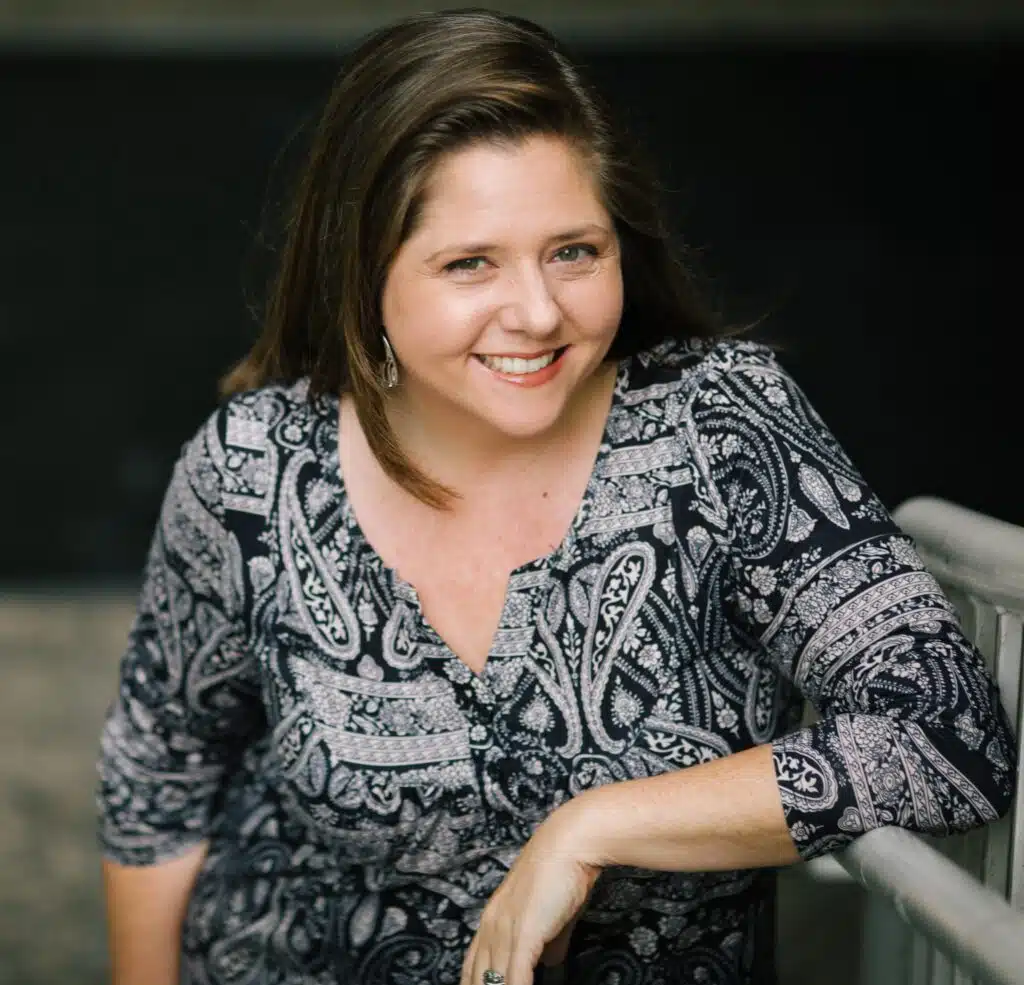
About Tina Dietz:
Tina Dietz is an award-winning and internationally acclaimed speaker, audiobook publisher, podcast producer, and vocal leadership expert whose work and shows have been featured on media outlets including ABC, NBC, CBS, The Wall Street Journal and Chicago Tribune, Inc.com, and Forbes. She’s been named one of the top podcasters for entrepreneurs by INC.com, and Tina’s company, Twin Flames Studios, re-imagines thought leadership through podcasting and audiobooks for experts, executives, and founders.

Leave a Reply