
So you’ve written the book. But the question of “now what?” remains. At our September expert panel, the room was packed with authors asking exactly that. And let’s be honest, we’ve all heard it before: the book is just the beginning.
Here’s the twist: the book isn’t the end of the marathon, it’s mile one. What comes next is where the real opportunity, and sometimes the real overwhelm, begins. That’s why I brought together three powerhouse experts, Keith Leon, Jennifer S. Wilkov, and Alexa Bigwarfe, to help us unpack how to turn a book into a business model that actually generates income.
The #1 Mistake Most Authors Make
Let’s start with the mistake that trips up nearly everyone: writing a book without a plan.
Jennifer Wilkov put it plainly:
“The biggest mistake is that they have no plan. You have to have a business plan and you have to have a revenue generation plan.”
Without a roadmap, you’re stuck in what I call “hope-and-pray publishing.” Hope that the book sells. Pray that something happens next. Spoiler alert, hope is not a strategy.
Alexa Bigwarfe, who has helped hundreds of authors through the publishing maze, backed her up:
“The plan is a critical piece, but thinking about it as an actual business is crucial too.”
Too many writers resist that shift. We love the creative work, but the second we hear “CPA” or “shopping cart,” it feels like someone just told us to eat our vegetables. Yet that business backbone is what makes the creative part sustainable.
And then came Keith Leon with the mic-drop perspective:
“Repurpose, repackage, and have the book already created into multiple programs and products before the book launch even happens.”
Imagine finishing a book launch with a ready-to-go course, a companion journal, and a workshop offering. Your readers are warmed up, wallets open, and instead of leaving them with a single purchase, you’ve invited them into a whole ecosystem. That’s the difference between authors who dabble and authors who thrive.
Where to Start Without Overwhelming Yourself
Of course, hearing about all the things you could do with your book can feel like being dropped into the Costco of publishing: endless aisles, free samples everywhere, and no idea where to start.
Alexa had a simple filter for this:
“Start by thinking about the skill sets that you have and see what the easiest thing to start with is. For instance, if you’re a fantasy author, I wouldn’t recommend you make a course unless you’re a gifted teacher for worldbuilding.”
Translation: don’t try to do everything. Do the next thing that aligns with your strengths. Coaches and consultants? Try a group program. Speakers? Package your workshops. Introverts? Maybe a self-paced online course.
Jennifer added a practical twist:
“What is your natural tendency? Where can you actually pick up another income stream?”
The message was clear: stop chasing trends and start with what feels natural.
The Tools Nobody Tells You About
Now, time for the unglamorous but necessary stuff. What do you actually need to get this machine running?
Keith rattled off some of the basics: Zoom, a way to take payments, a solid microphone, headphones, and camera. Nothing fancy, just professional enough that people trust you.
He also added that mentors are invaluable:
“We can try to do everything ourselves, but people who have already done it can help us with the checklist.”
Meanwhile, Alexa reminded everyone that your most valuable marketing asset isn’t Instagram followers or TikTok views. It’s your email list.
“Social platforms can change their rules overnight. Your list is yours.”
And Jennifer brought the legal hammer down:
“You have got to make sure that you define who’s doing what. Make sure you legally define the terms of collaboration. I’ve seen partnerships that don’t get this part right. They end up fighting, not being friends… It’s awful.”
Bottom line? Whether it’s tech, marketing, or contracts, skipping the basics will cost you more than investing in them upfront.
Thinking Bigger: Beyond the Usual Suspects
Once you’ve got the foundation, the real fun begins.
- Audio is booming. Audiobooks outsell e-books three to one in the U.S. I reminded the panel that audio isn’t just an income stream. It’s a marketing tool and audience builder.
- Film and TV aren’t out of reach. Jennifer emphasized that your book is IP (intellectual property) and that it can be licensed for adaptations. Protect your rights and pitch strategically.
- Merchandise and swag work. Whether it’s card decks, journals, ornaments, or even coloring books, readers love physical tie-ins. And with print-on-demand, there’s little risk.
- Book club kits. Create guides, discussion questions, and even themed party ideas. It gives groups a reason to pick your book and stick with you for more.
One of my favorite audience moments? An author of local ghost stories asked if their book could make money beyond speaking. Jennifer suggested looking at ghost tours, Alexa pitched YouTube or podcast tie-ins, and I added: “Yes, and podcasting your stories is a perfect way to build fans who’ll line up for live tours.” Sometimes the niche ideas are the most lucrative.
Let’s Recap: 6 Practical Takeaways
- Draft a book ecosystem plan: list your top 3–5 income stream ideas.
- Pick one or two strategies that align with your strengths, not what’s trending.
- Get your basic tech kit in place: Zoom, mic, camera, payment system.
- Build and own your email list. It’s your most valuable marketing tool.
- Use clear contracts in collaborations. Don’t skip the boring part.
- Once your base is set, test creative add-ons like audiobooks, merchandise, or kits.
Final Thoughts
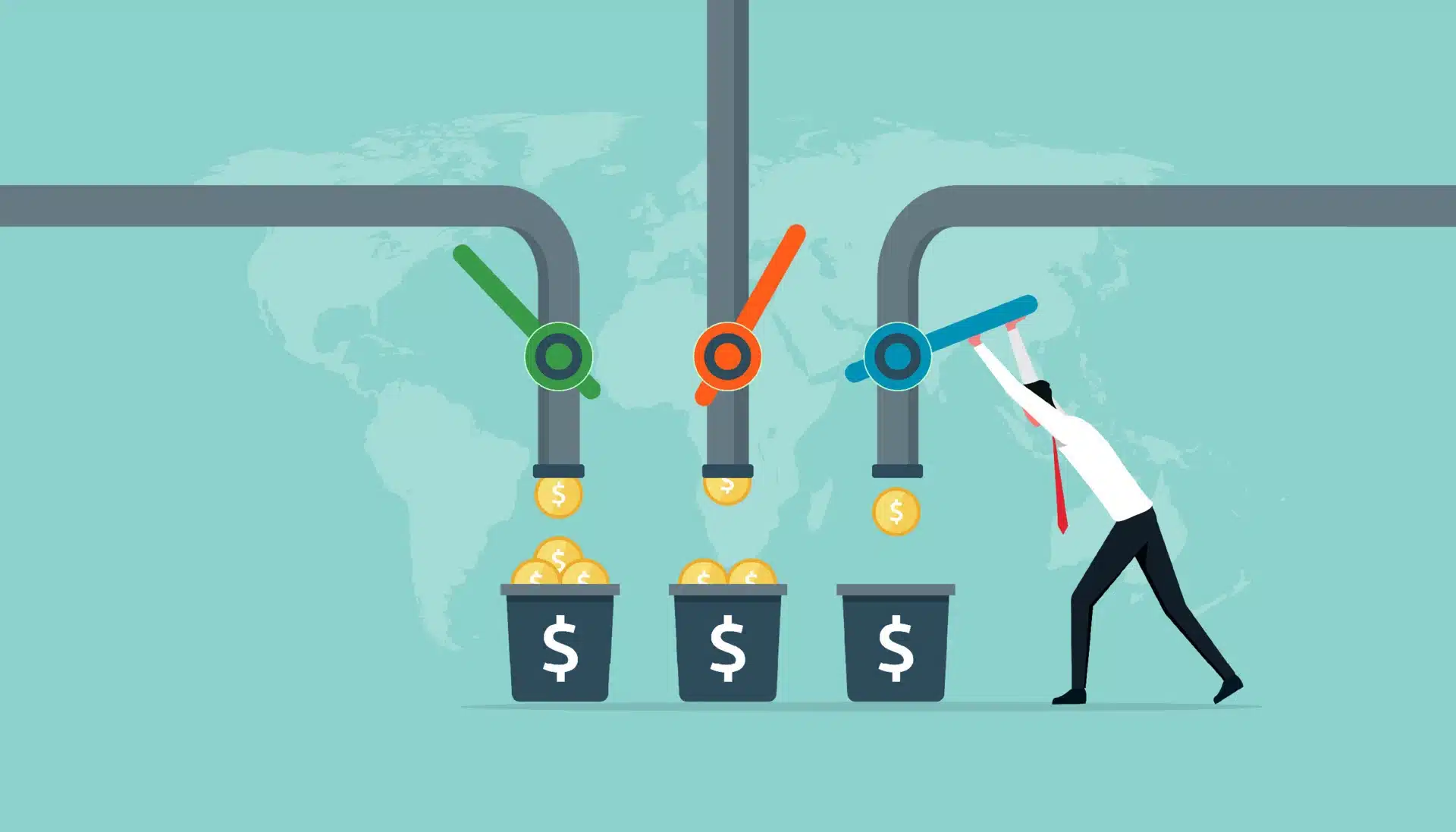
Your book is source material, not a standalone product. It’s the hub of a wheel, with each spoke — courses, podcasts, merchandise, speaking, film, audio — creating its own stream of income and impact.
📅 Ready for more real-world publishing insights?
So here’s your next step: don’t stop at publishing. Start planning for your ecosystem.
Because your book deserves to do more than sit on a shelf. It deserves to build your business, your impact, and your legacy.
And if you’re interested in choosing the right publishing pathway for your book, don’t forget to join us for our next expert panel : Judging a Book By Its Cover: The Art and Science of Book Cover Design.
What most surprised you, or what do you still want to know? Ask your questions below!
About Tina Dietz:
Tina Dietz is an award-winning and internationally acclaimed speaker, audiobook publisher, podcast producer, and vocal leadership expert whose work and shows have been featured on media outlets including ABC, NBC, CBS, The Wall Street Journal and Chicago Tribune, Inc.com, and Forbes. She’s been named one of the top podcasters for entrepreneurs by INC.com, and Tina’s company, Twin Flames Studios, re-imagines thought leadership through podcasting and audiobooks for experts, executives, and founders.
Leave a Reply